

Dental Implant Benefits in Lutz You Need to Know
Missing teeth change more than your smile — they disrupt chewing, alter speech, and start a cascade of bone loss that can change facial appearance and long-term oral health. Understanding what to expect during the dental implant procedure is crucial for those considering this restorative option. This guide explains the clinical and practical benefits of dental implants for residents of Lutz, FL and nearby communities, focusing on how implant dentistry restores function, preserves jawbone, and delivers natural-looking restorations. You will learn the top advantages of implants, how implants improve chewing and speech compared with dentures and bridges, who typically qualifies for implant therapy, common financing options, and why local specialist care matters. Throughout the article we reference implant dentistry concepts like osseointegration, implant fixtures, abutments, and crowns to clarify how implants work and why they are a durable restorative choice. If you live in Lutz, Land O' Lakes, or Wesley Chapel this resource will help you weigh options and prepare for a consult with a local implant specialist.
What Are the Key Advantages of Dental Implants in Lutz, FL?
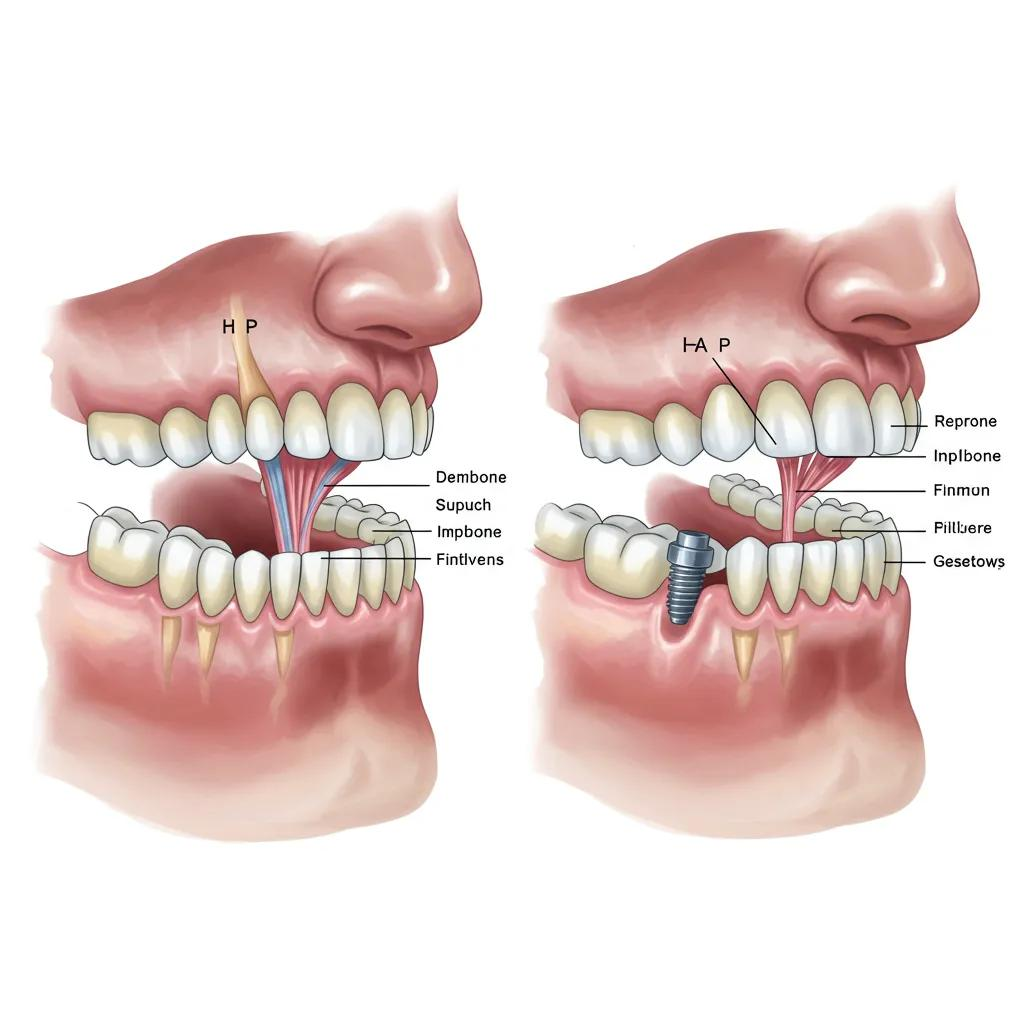
Dental implants replace missing teeth by anchoring a titanium fixture in the jawbone, creating a stable foundation for an abutment and crown that function like a natural tooth. To begin this journey, understanding the dental implant consultation process is key. The mechanism of osseointegration — direct bone-to-implant bonding — preserves bone volume and transmits chewing forces naturally, which prevents the resorption that follows tooth loss. Implants also avoid altering adjacent teeth, improving long-term oral-health economics by reducing the need for repeated prosthetic replacements. For Lutz residents, implants restore confidence and diet choices while protecting facial structure and speech.
Dental implants offer these primary advantages, and exploring their long-term benefits can further illustrate their value:
- Natural appearance and stability: implants support lifelike crowns that match color and contour.
- Jawbone preservation: osseointegration stimulates bone and prevents resorption.
- Long-term durability: implant fixtures resist wear and often outlast removable options.
- Functional improvement: implants restore chewing force similar to natural teeth.
- Adjacent-tooth protection: implants eliminate the need to grind neighboring teeth for bridges.
mplants are favored for comprehensive restorative dentistry and they are often recommended over removable prostheses for permanent tooth replacement. Local availability of implant care makes it practical to begin evaluation and planning in Lutz as soon as you decide to pursue a fixed solution.
How Do Dental Implants Provide a Natural Look and Feel?
A dental implant restoration combines three parts — the implant fixture, the abutment, and the crown — to replicate tooth anatomy and function. The crown is color-matched and shaped to blend with surrounding teeth, while the abutment provides a stable connection that transmits bite forces through the implant into bone. This mechanical integration eliminates micromobility common with removable prostheses and restores tactile feedback for chewing and speech. The typical timeline from implant placement to final crown varies with healing, but modern protocols often allow predictable esthetic outcomes within a few months.
In What Ways Do Implants Prevent Jawbone Loss and Preserve Facial Structure?
Bone requires mechanical stimulation to maintain density; when a tooth is lost that stimulus disappears and resorption begins. Implants act as artificial tooth roots, transferring functional loads into bone and triggering remodeling that maintains volume. Preventing bone loss preserves nearby tooth support and helps maintain facial height and lip support over time. This biological response reduces the risk of sunken facial appearance and the need for extensive bone grafting in later years, supporting both health and aesthetics for Lutz patients.
Advancements in Bone Grafting for Dental Implants
Common Implant-Related Advanced Bone Grafting Complications: Classification, Etiology, and Management. Thanks to the advancement of grafting technology, areas that could only be managed with removable dentures or teeth-supported fixed prostheses can now be successfully treated with dental implants.
Common implant-related advanced bone grafting complications: classification, etiology, and management, HL Wang, 2008
Implants use durable materials such as titanium or zirconia and rely on osseointegration rather than adhesive retention, which accounts for high long-term durability. With proper hygiene and periodic professional care, including following essential dental implant recovery tips, implant-supported crowns often last many years and may avoid the frequent relining and replacement required by dentures. While success depends on factors like bone quality and systemic health, implants generally represent better lifetime value when compared with repeated conventional prosthetic replacements.
How Do Dental Implants Improve Chewing, Speech, and Overall Oral Health?
Dental implants restore force transmission through a root-anchored design, giving chewing efficiency close to natural teeth and enabling a broader, healthier diet. Because implants are fixed and stable, they reduce slippage that affects speech and taste with removable dentures. Implants also simplify oral hygiene by allowing normal brushing and flossing patterns, which supports periodontal health of adjacent teeth. These functional benefits translate into measurable quality-of-life improvements and dietary flexibility for patients in Lutz.
The functional differences compared to dentures and bridges are clear:
- Dentures often reduce chewing efficiency and can slip during speech.
- Bridges require grinding neighboring teeth, potentially compromising healthy structure.
- Implants transfer chewing forces to bone, preserving both function and oral health.
Below is a concise comparison of functional outcomes.
Prosthesis TypeFunctional CharacteristicOutcomeImplant-supported toothDirect force transfer to boneHigh chewing efficiency, stable speechFixed bridgeSupported by adjacent teethGood stability but requires tooth alterationRemovable dentureRelies on mucosa and adhesionLower chewing force, potential slippage
What Functional Benefits Do Implants Offer Compared to Dentures and Bridges?
Implants provide superior masticatory force and stability, enabling patients to eat a wider range of foods comfortably. Unlike bridges, implants do not require preparation of healthy adjacent teeth, preserving enamel and dentin. Compared with dentures, implants improve speech clarity by eliminating movement and restoring normal oral contours. Clinically, implant restorations reduce the risk of shifting and migration of remaining teeth, maintaining occlusion and long-term alignment.
How Do Dental Implants Protect Adjacent Teeth?
Because implants replace only the missing tooth and connect directly to bone, they spare neighboring teeth from the reduction or crowning required to support a bridge. This conservation of tooth structure preserves pulp vitality and lowers the cumulative risk of future root canals or restorations on adjacent teeth. Over time, retaining healthy adjacent teeth reduces the complexity and cost of future dental care.
Who Is a Good Candidate for Dental Implants in Lutz?
Good candidates for dental implants generally have adequate bone volume, healthy gum tissues, and controlled systemic conditions that could affect healing. Smoking, uncontrolled diabetes, and severe periodontal disease can complicate outcomes, but many patients with marginal conditions still qualify after preparatory treatments like bone grafting or periodontal therapy. A comprehensive evaluation including imaging and medical review determines candidacy and a personalized treatment plan that matches functional and esthetic goals.
Candidates typically meet these criteria:
- Sufficient jawbone volume or the willingness to undergo bone grafting.
- Healthy or well-managed gum tissue and systemic health.
- Commitment to oral hygiene and regular dental follow-up.
Bone Grafting for Dental Implant Stability and Success
Bone quality, volume, height and width all play a pivotal role in dental implant stability, success and survival. A lack of adequate bone can be overcome with various bone grafting procedures. Dependent on many factors, including the amount of bone required, the site of implant placement, patient preferences and clinician factors; the type of bone grafting material and procedure undertaken can vary. Supplemental bone can be sourced from a variety of sources, including autogenous, allogenous and xenograft bone. Dependent on the source of the bone, it will have different properties in aiding bone formation, as well as being presented in different formulations, such as bone particles or bone blocks.
The aim of this paper is to provide an overview of bone grafting indications, materials and types of bone grafting techniques that can be utilised to aid dental implant provision. It also discusses the properties needed to ensure optimal success of guided bone regeneration techniques.
Bone grafting techniques and materials for implant dentistry, S Khalid, 2023
Bespoke Dental personalizes implant evaluations by combining detailed imaging, treatment planning, and input from implant specialists to tailor each plan to a patient's anatomy and goals. Dr. Tarik Elmohd and Dr. Michael Fabian are available locally to assess candidates and outline options, ensuring individualized care and appropriate use of advanced techniques.
What Are the General Criteria for Dental Implant Eligibility?
Baseline eligibility focuses on bone volume, soft-tissue health, and systemic factors that influence healing. Sufficient bone density and height support implant stability, while active gum disease must be controlled before placement. When bone is inadequate, predictable bone grafting or ridge augmentation can re-establish volume and enable implant placement, widening candidacy for many Lutz patients.
How Does Bespoke Dental Ensure Personalized Care for Implant Patients?
Bespoke Dental uses advanced diagnostic imaging and collaborative planning to create individualized implant treatment plans. Personalized care includes selecting appropriate implant types, planning for bone grafting when needed, and offering patient comfort options such as IV sedation during complex procedures. Local specialists Dr. Tarik Elmohd and Dr. Michael Fabian bring surgical and restorative expertise to coordinate predictable implant outcomes for patients in the Lutz area.
What Financing Options Are Available for Dental Implants in Lutz, FL?
Cost should not be a barrier to implant care; common financing approaches allow patients to spread payments while receiving necessary treatment. Third-party dental financing programs typically offer pay-over-time plans with quick prequalification and structured monthly payments, and many practices also combine in-house payment options for staged treatment. The total cost varies based on implant count, need for bone grafting or sinus lifts, type of restoration, and sedation choices — all factors discussed during consultation to produce an accurate estimate.
Common financing approaches include:
- Third-party lenders that provide monthly payment plans with online prequalification.
- In-house scheduling of staged treatment to distribute costs across appointments.
- Coordination with dental insurance for portions of restoration fees when applicable.
The following table summarizes financing options and core attributes to simplify planning.
OptionAttributeValueThird-party financingTypical approval timeQuick pre-qualification, decision in daysStaged treatmentPayment distributionSpread costs across multiple visitsTreatment-dependent factorsCost driversNumber of implants, grafting, restorations, sedation
Dental Implant Treatment Decisions and Costs
The aim of this study is to examine how clinicians and patients negotiate clinical need and treatment decisions within a context of finite resources. Dental implant treatment is an effective treatment for missing teeth, but is only available via the NHS in some specific clinical circumstances. The majority of people who receive this treatment therefore pay privately, often at substantial cost to themselves. People are used to paying towards dental treatment costs. However, dental implant treatment is much more expensive than existing treatments – such as removable dentures. We know very little about how dentists make decisions about whether to offer such treatments, or what patients consider when deciding whether or not to pay for them.
Paying for treatments? Influences on negotiating clinical need and decision-making for dental implant treatment, CE Exley, 2009
How Can Patients Access Third-Party Financing Regardless of Insurance?
Patients typically apply online or through the practice for third-party financing, receiving a prequalification that outlines monthly payment amounts and terms. Approval times are commonly measured in hours to days, enabling scheduling of procedures without prolonged delay. Prequalification does not guarantee terms but helps patients plan; finalized financing details are confirmed when treatment is scheduled.
What Factors Influence the Cost of Dental Implants at Bespoke Dental?
Primary cost drivers include the number of implants required, whether bone grafting or sinus lifts are necessary, the type of final restoration (single crown vs. implant-supported bridge), and use of sedation such as IV sedation. Surgical complexity and specialist involvement also affect fees. Bespoke Dental provides personalized estimates after diagnostic imaging and surgical planning to clarify costs for each patient's unique situation.
Why Choose Bespoke Dental for Your Dental Implant Solutions in Lutz?
Bespoke Dental serves Lutz patients with a team approach combining general dentistry, cosmetic dentistry, and oral surgery expertise to manage implant cases from planning through final restoration. The practice emphasizes personalized care, advanced technology for precise surgical planning, and patient comfort options including IV sedation for anxious or complex cases. For residents seeking implant dentistry with local specialist involvement, Bespoke Dental offers coordinated services and specialist consultations to create predictable, esthetic results.
- Personalized diagnostics and treatment planning tailored to each patient's anatomy and goals.
- Experienced specialists including Dr. Tarik Elmohd and Dr. Michael Fabian focused on implant procedures.
- Advanced imaging and surgical planning technology plus IV sedation for enhanced comfort.
How Do Dr. Tarik Elmohd and Dr. Michael Fabian Specialize in Implant Dentistry?
Dr. Tarik Elmohd is a board-certified oral surgeon who specializes in dental implants and facial trauma, bringing surgical expertise to complex implant and reconstruction cases. Dr. Michael Fabian specializes in dental implant surgery as well as Invisalign and cosmetic dentistry, offering restorative and esthetic perspectives that support natural-looking implant outcomes. Together they coordinate surgical and prosthetic phases for comprehensive implant care.
What Advanced Technologies and Comfort Options Does Bespoke Dental Offer?
Bespoke Dental employs advanced imaging and surgical planning tools that increase precision in implant placement and prosthetic design, improving long-term predictability. The practice also provides IV sedation to enhance patient comfort during longer or more invasive procedures, supporting a calmer experience for those who prefer deeper sedation. These technologies and options help optimize both clinical outcomes and the patient experience.
18713 N Dale Mabry Hwy, Lutz, FL 33548 — For questions or to schedule an implant consultation, call (813) 807-4902.
Frequently Asked Questions
What is the recovery process like after dental implant surgery?
The recovery process after dental implant surgery typically involves a healing period of several months, during which osseointegration occurs. Patients may experience some swelling, bruising, or discomfort, which can be managed with prescribed pain relief. It's essential to follow post-operative care instructions, including maintaining oral hygiene and attending follow-up appointments. Most patients can return to normal activities within a few days, but full integration of the implant into the jawbone may take up to six months, depending on individual healing rates.
Are dental implants suitable for older adults?
Yes, dental implants can be an excellent option for older adults, provided they have sufficient bone density and healthy gums. Age alone is not a disqualifying factor; many seniors successfully receive implants. However, underlying health conditions, such as osteoporosis or uncontrolled diabetes, may affect candidacy. A thorough evaluation by a dental professional can determine the best approach, including potential preparatory treatments like bone grafting to ensure successful implant placement.
How long do dental implants last?
Dental implants are designed to be a long-term solution for missing teeth, often lasting 10 to 15 years or more with proper care. Factors influencing their longevity include oral hygiene practices, regular dental check-ups, and lifestyle choices such as smoking. The implant fixture itself is from durable materials like titanium, which integrates with the jawbone. However, the crown may need replacement after several years due to wear, but the implant can remain intact if maintained properly.
Can dental implants fail, and what causes failure?
While dental implants have a high success rate, they can fail due to several factors. Common causes include infection at the implant site, insufficient bone density, or failure of osseointegration. Lifestyle factors such as smoking, poor oral hygiene, and uncontrolled systemic diseases can also contribute to implant failure. Regular dental visits and adherence to post-operative care can significantly reduce the risk of complications and ensure the longevity of the implants.
What are the differences between dental implants and dentures?
Dental implants are surgically placed into the jawbone and provide a permanent solution for missing teeth, while dentures are removable prosthetics that sit on the gums. Implants offer better stability, improved chewing efficiency, and do not require altering adjacent teeth, unlike bridges. Additionally, implants help preserve jawbone density, whereas dentures can lead to bone loss over time. Patients often find implants more comfortable and natural-feeling compared to traditional dentures.
How do I maintain my dental implants?
Maintaining dental implants involves practicing good oral hygiene, including regular brushing and flossing, just as you would with natural teeth. It's crucial to attend routine dental check-ups for professional cleanings and assessments. Avoiding tobacco products and managing any underlying health conditions can also contribute to the longevity of your implants. If you notice any unusual symptoms, such as pain or swelling, contact your dentist promptly to address potential issues early.
What should I expect during the initial consultation for dental implants?
During the initial consultation for dental implants, your dentist will conduct a comprehensive evaluation, including a review of your medical history and a clinical examination of your mouth. Imaging tests, such as X-rays or 3D scans, may be performed to assess bone density and structure. The dentist will discuss your treatment options, explain the implant process, and address any questions or concerns you may have. This personalized approach ensures that your treatment plan aligns with your specific needs and goals.
Conclusion
Choosing dental implants in Lutz offers significant benefits, including improved oral function, enhanced aesthetics, and long-term durability. This comprehensive guide highlights how implants preserve jawbone health and protect adjacent teeth, making them a superior choice for tooth replacement. If you're considering this transformative option, and want to learn about affordable dental implant options in Lutz, reach out to Bespoke Dental for a personalized consultation tailored to your needs. Take the first step towards restoring your smile and confidence today.