
Dental Implants Lutz: What to Expect During Your Procedure
Dental implants are titanium posts that replace missing tooth roots and support crowns or prostheses, restoring function and smile aesthetics. This guide explains what to expect during every stage of a dental implant treatment in Lutz, from the initial consultation through healing, recovery, costs, and implant types so you can plan with confidence. Many patients worry about pain, timeline, and cost; this article addresses those concerns with practical timelines, recovery tips, comparison tables, and clearly explained steps. You will learn the sequential procedure steps, how osseointegration works, recovery expectations, the main cost drivers, and the implant options typically used in our area. The sections below map to consultation and planning, the surgical steps and healing phase, recovery guidance, cost and financing context, implant type comparisons, and concise answers to common patient questions.
What Are the Key Steps in the Dental Implant Procedure in Lutz?
A dental implant procedure follows a series of clinical stages designed to ensure predictable healing and functional restoration. Proper planning and imaging set the treatment course, surgical placement secures the titanium post, and a healing phase called osseointegration integrates the implant with bone before an abutment and crown restore form and function. The result is a stable, long-term dental prosthetic that behaves much like a natural tooth root.
Below is a clear ordered list of the core stages patients typically experience.
- Consultation and 3D imaging to evaluate bone, anatomy, and treatment options.
- Preparatory work such as extractions or bone grafting if needed to create a secure site.
- Implant placement surgery under local anesthesia or IV sedation for comfort.
- Healing and osseointegration, during which the implant bonds to bone.
- Abutment placement and custom crown attachment to complete the restoration.
This ordered sequence clarifies expectations and helps patients plan appointments and recovery. Understanding each stage reduces anxiety and supports better outcomes by aligning patient behavior with healing milestones.
How Does the Initial Consultation Shape Your Personalized Implant Plan?
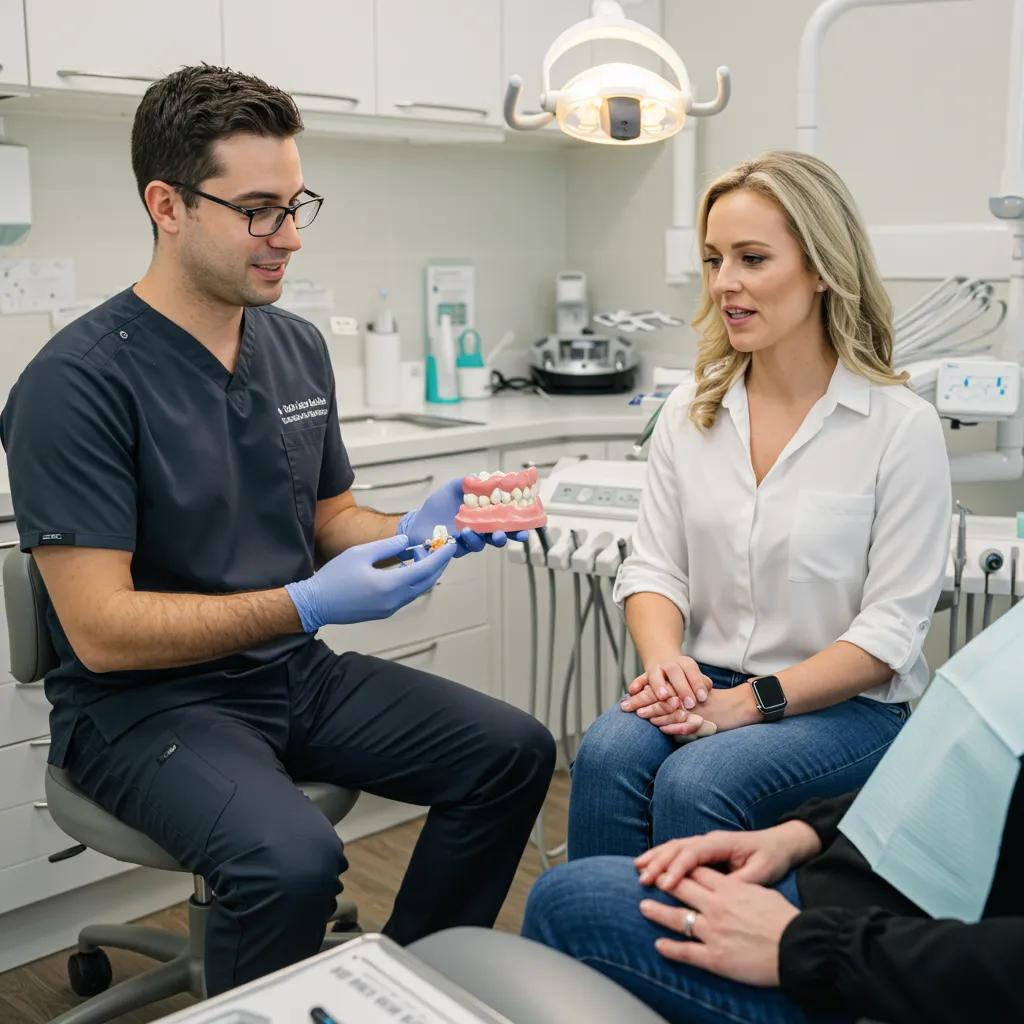
The initial consultation defines candidacy and creates a personalized plan using an oral exam, medical review, and 3D CBCT imaging to map anatomy and bone volume. This step identifies whether extractions, bone grafting, or sinus procedures are needed and establishes a timeline and sedation plan tailored to medical history and comfort preferences. Patients receive clear options, expected milestones, and a discussion of prosthetic choices so they can weigh function, aesthetics, and cost. A focused consultation improves surgical predictability and informs shared decision-making for the rest of treatment.
What Happens During Dental Implant Surgery at Bespoke Dental?
During implant surgery, precise steps include numbing the area, making a small incision in gum tissue, preparing the bone with progressive drills, and placing the titanium implant fixture to optimal depth and position. Sedation options, including IV sedation when appropriate, help patients remain comfortable while clinicians monitor vital signs and implant trajectory with guided imaging. Sutures may be placed and a temporary prosthesis provided when indicated to preserve aesthetics and function. Postoperative instructions cover medications, oral hygiene adjustments, and signs to report to the clinic.
How Is Osseointegration Important in the Healing Phase?
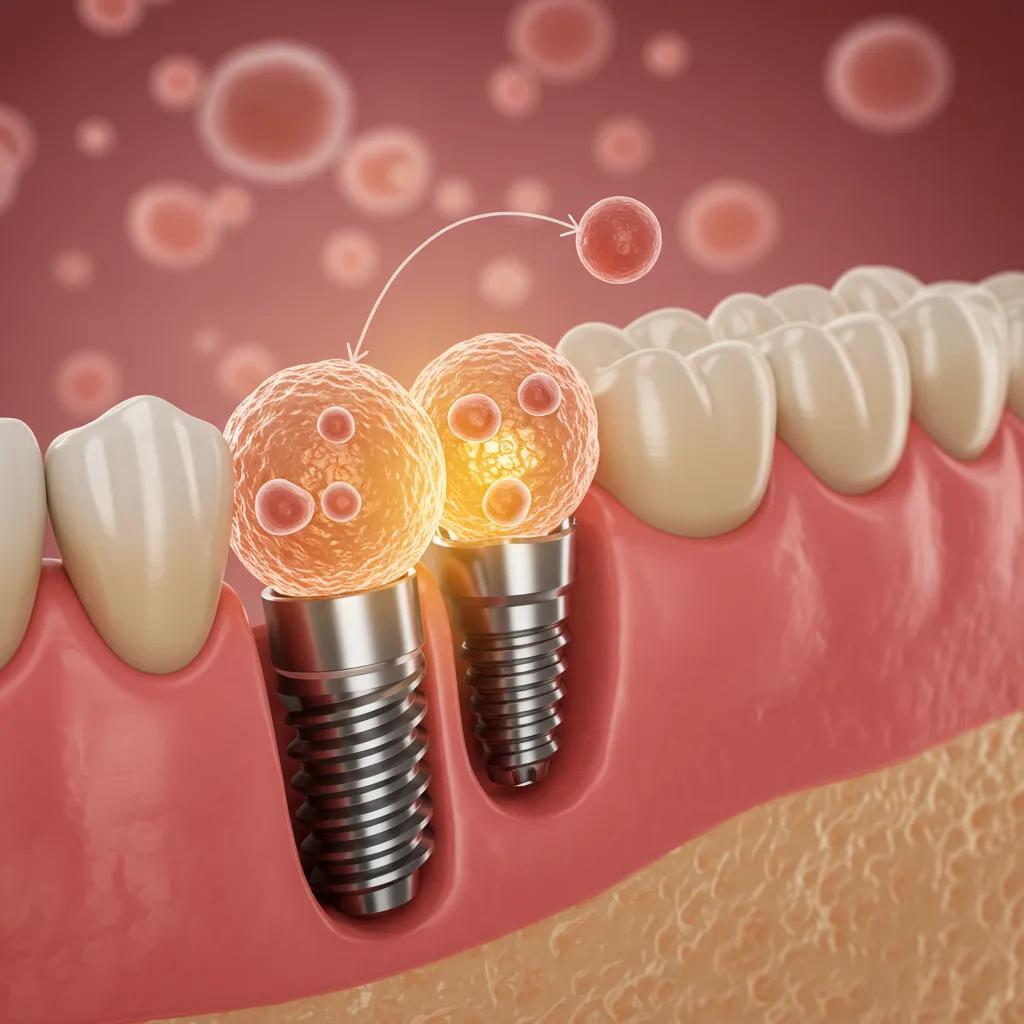
Osseointegration is the biological process by which bone cells attach to the implant surface, creating a rigid bond that allows the implant to bear chewing forces reliably. This integration typically occurs over several months and is influenced by bone quality, systemic health, and behaviors such as smoking or poor oral hygiene. Patients are instructed to avoid heavy biting on the site, follow dietary guidance, and maintain gentle cleaning to encourage stable bone formation. Successful osseointegration is the foundation for a long-lasting implant restoration and determines timing for abutment and crown placement.
The biological basis of successful dental implant therapy relies heavily on the process of osseointegration, where bone cells directly fuse with the implant surface.
Osseointegration: The Biological Basis of Successful Dental Implant Therapy
Osseointegration has proven to be a biologically sound foundation for contemporary dental implant therapy. Its success is dependent on principle-driven clinical procedures. Important observations have been made at cellular and macroscopic levels regarding osseointegration at the earliest stages of bone healing to the later stages of bone formation and remodeling. The formation of bone at the titanium dental implant surface is dependent on osteoprogenitor cell recruitment, proliferation and differentiation under complex control. In addition, macrophages play a determinant role in the process of osteoinduction that supports osseointegration. The role of signaling pathways and transcription factors in modulation of cell behavior and fate is critical. The current relatively high success of dental implant therapy is due, in part, to the effects of enhanced surface topography on
Osseointegration—the biological reality of successful dental implant therapy: a narrative review, LF Cooper, 2022
Healing PhaseAttributeTypical TimelineImmediateSoft-tissue closure and initial stability1–2 weeksEarly osseointegrationBone formation around implant surface6–12 weeksFunctional integrationFull load-bearing readiness for final prosthesis3–6 months
This timeline table clarifies expected windows of healing and recommended patient actions during each phase. Knowing these windows helps patients plan activities, work, and follow-up appointments.
What Should You Expect During Dental Implant Recovery in Lutz?
Recovery after implant surgery follows predictable short-term and long-term phases that patients can manage with appropriate care. Immediately after surgery expect some swelling, mild discomfort, and possible bruising; these symptoms are typically controlled with prescribed or over-the-counter analgesics and cold compresses. Early healing focuses on soft-tissue recovery and avoiding actions that stress the surgical site, while longer-term recovery centers on osseointegration and gradual return to full function. Patients who follow postoperative instructions and attend scheduled follow-ups experience smoother recoveries and fewer complications.
What Are Common Symptoms and How Are They Managed?
Typical postoperative symptoms include localized swelling, mild to moderate discomfort, and temporary numbness or bruising in the treated area; these symptoms usually peak within 48–72 hours and then decline steadily. Management includes prescribed or recommended analgesics, brief use of cold packs in the first 24 hours, and elevation to reduce swelling; antibiotics are used when clinically necessary. Gentle oral hygiene is emphasized—soft rinses and avoiding vigorous spitting—until the surgical site begins to heal. Contact the clinic if you experience uncontrolled bleeding, fever, or escalating pain that deviates from the expected recovery pattern.
Which Dietary and Activity Guidelines Support Healing?
Dietary guidance emphasizes soft, nonabrasive foods and adequate hydration during the immediate 24–72 hours after surgery to avoid disturbing the implant site and sutures. Patients should avoid hot, crunchy, sticky, and alcohol-containing foods and beverages in the early phase, progressing to more solid foods only as comfort and healing allow. Activity recommendations include rest for the first 48 hours and avoidance of heavy lifting or strenuous exercise for one to two weeks to limit increased blood pressure and swelling. These measures reduce mechanical stress on the site and promote stable osseointegration.
How Long Is the Typical Recovery Timeline for Dental Implants?
Recovery commonly spans 48–72 hours for pain and swelling to subside, early soft-tissue healing occurs over one to two weeks, and osseointegration typically completes between three and six months depending on bone quality. Temporary restorations may be used during healing to preserve appearance while definitive crowns are fabricated and placed after successful integration. Follow-up visits assess healing milestones, remove sutures if present, and plan abutment and crown stages. Understanding this phased timeline helps patients set realistic expectations for returning to normal diet and function.
The restoration of microcirculation in the peri-implant area is a critical factor in the success of dental implants, especially when considering early functional loading.
Timelines for Peri-Implant Microcirculation Restoration Under Early Functional Loading
The biological foundation of successful dental implant osseointegration is a robust and timely revascularization of the peri-implant tissues. An adequate blood supply is critical for delivering oxygen, nutrients, and cells necessary for bone healing and maturation. While early functional loading protocols offer significant benefits in reducing treatment time, their impact on the delicate process of microcirculatory restoration remains a key area of investigation. Understanding the precise timelines of blood flow recovery under early loading conditions is essential to validate the biological safety and potential stimulatory effects of this approach, thereby providing a scientific basis for optimizing clinical protocols.
TIMELINES FOR THE RESTORATION OF MICROCIRCULATION IN THE PERI-IMPLANT AREA UNDER EARLY FUNCTIONAL LOADING CONDITIONS, 2025
How Much Do Dental Implants Cost in Lutz, FL, and What Financing Options Are Available?
Costs for dental implants vary based on clinical complexity and restorative choices rather than a single fixed price; key drivers include the number of implants, need for bone grafting or extractions, type of prosthesis, sedation choice, and lab/crown materials. A transparent cost discussion at consultation produces a personalized estimate that reflects local clinical needs and desired outcomes, avoiding surprise fees. Bespoke Dental offers third-party financing and payment plan options to help patients manage the investment in implant therapy while discussing alternatives during the planning visit. Patients are encouraged to schedule a consultation to receive a tailored estimate that accounts for their specific treatment plan.
What Factors Influence the Cost of Dental Implants?
Multiple elements drive cost, including how many implants are placed, whether bone grafting or sinus lifts are required, the choice of sedation and surgical guides, and the restorative crown materials selected by the patient and clinician. Surgical complexity—such as implant angulation, immediate placement after extraction, or full-arch reconstruction—also lengthens chair time and lab work, increasing overall investment. Lab fees for custom crowns and prostheses reflect craftsmanship and material quality that affect long-term aesthetics and wear. Transparent discussion during the consultation stage clarifies which options are essential versus elective for each patient.
How Does Bespoke Dental Make Implants Affordable?
Bespoke Dental works with patients to present financing options and payment plans through third-party partners, enabling staged treatment and manageable monthly payments when indicated. The clinical team discusses cost-saving strategies without compromising long-term outcomes, such as sequencing grafting or choosing restorative materials aligned with budget and durability goals. Financial conversations are integrated into the consultation so patients receive tailored estimates and can make informed decisions. This patient-centered approach helps residents of Lutz, Land O' Lakes, and Wesley Chapel pursue implant care without undue financial stress.
What Types of Dental Implants Are Offered at Bespoke Dental in Lutz?
Clinically, dental implant options include single implants for isolated tooth replacement, mini implants for narrow ridges or temporary stabilization, All-on-4 for full-arch rehabilitation, and implant-supported bridges or dentures to replace multiple adjacent teeth. Each type addresses specific anatomic and functional needs and balances invasiveness, cost, and long-term maintenance. The team evaluates bone volume, occlusion, and patient goals to recommend the optimal implant pathway and may offer IV sedation to enhance comfort during more complex procedures. Clear comparisons help patients choose solutions that fit their oral health and lifestyle priorities.
- Single dental implant to replace one missing tooth and preserve adjacent teeth.
- Mini dental implant for limited bone width or as a temporary stabilization option.
- All-on-4 full-arch protocol to support a fixed prosthesis with fewer implants.
These concise comparisons show typical use-cases and benefits, aiding in initial decision-making before a personalized evaluation.
What Are the Benefits of Single and Mini Dental Implants?
Single implants restore a single tooth without altering neighboring teeth, offering excellent long-term durability and a natural feel when osseointegrated and restored with a custom crown. Mini implants are smaller-diameter fixtures useful for narrow ridges, temporary stabilization of dentures, or situations where less invasive placement is preferred; they can be quicker and less costly but may have different longevity and load limitations. Ideal candidates for single implants have adequate bone volume and good oral hygiene, while mini implants suit patients with limited bone who seek a less invasive solution. Discussing these options helps match patient priorities to predictable outcomes.
How Does the All-on-4 Dental Implant Procedure Work?
All-on-4 uses four strategically placed implants to support a full-arch prosthesis, often allowing immediate placement of a temporary fixed restoration to restore function and aesthetics quickly. This approach reduces the number of implants required for a full arch and can avoid more extensive grafting in some patients by utilizing tilted posterior implants for better bone engagement. Candidates are evaluated for bite forces, bone quality, and hygiene capability to ensure long-term success with the fixed prosthesis. For many patients seeking a stable, nonremovable full-arch solution, All-on-4 balances efficiency and function.
When Are Implant-Supported Bridges and Dentures Recommended?
Implant-supported bridges replace several adjacent missing teeth by suspending a bridge on two or more implants, preserving chewing efficiency and preventing bone loss associated with removable options. Implant-supported dentures stabilize full or partial dentures, improving comfort, retention, and chewing power compared with conventional removable prostheses. These options are recommended when multiple neighboring teeth are missing or when a patient desires greater prosthesis stability without replacing every missing tooth with a single implant. Discussing lifestyle needs and maintenance expectations clarifies the best restorative pathway.
What Are the Most Common Questions About Dental Implant Procedures in Lutz?
Patients commonly ask about procedure length, pain expectations, longevity, and when bone grafting is required; clear, concise answers reduce anxiety and support informed consent. Short responses and timelines help patients plan logistics for time off work, arrange support at home, and understand follow-up schedules. Below are targeted answers to these frequent queries provided in straightforward language to assist decision-making before a consultation.
How Long Does Dental Implant Surgery Take?
A single implant placement often takes under one hour of surgical time, excluding pre-op checks and recovery monitoring, while more complex cases or full-arch reconstructions can require several hours and may be completed in staged visits. Preoperative imaging and planning streamline surgical time by guiding precise implant positioning and reducing intraoperative decision-making. Patients should plan for additional time in recovery for monitoring after sedation or anesthesia, even when the procedure itself is relatively quick. Complexity such as grafting or simultaneous extractions will increase total chair time.
Is the Dental Implant Procedure Painful?
Local anesthesia and sedation options, including IV sedation when appropriate, minimize discomfort during the procedure so most patients report little to no pain while the surgery is performed. Postoperative discomfort is typically moderate and manageable with analgesics, cold therapy, and rest; the most intense symptoms commonly occur within the first 48–72 hours. Proper postoperative care, including gentle oral hygiene and adherence to activity and dietary guidance, limits pain and accelerates recovery. If pain escalates or unusual symptoms arise, contacting the clinic for assessment is advised.
What Is the Expected Longevity of Dental Implants?
Dental implants have high long-term success rates for healthy patients who maintain good oral hygiene and attend regular dental care, with many restorations lasting decades while crowns or prosthetic teeth may require periodic replacement. Factors that influence longevity include smoking, uncontrolled systemic disease, poor oral hygiene, bruxism, and the quality of the restorative materials. Routine maintenance visits allow early detection of issues and prolong implant lifespan through professional cleaning and occlusal assessment. Emphasizing maintenance and healthy habits helps protect the investment in implant therapy.
When Is Bone Grafting Needed for Dental Implants?
Bone grafting is recommended when existing bone volume or density is insufficient to achieve primary implant stability or proper implant positioning, and common scenarios include ridge resorption after tooth loss or the need for sinus elevation in the upper jaw. Graft materials vary and are selected based on clinical needs; grafting adds healing time but enables implants in sites that would otherwise be unsuitable. The need for grafting is determined at consultation with 3D imaging and clinical assessment, and it influences cost and timeline. If you live in Lutz, Land O' Lakes, or Wesley Chapel and require grafting, Bespoke Dental's implant team can review options, discuss IV sedation for comfort if appropriate, and outline financing pathways to support treatment at their clinic location on Dale Mabry Highway.
Frequently Asked Questions
What Are the Risks Associated with Dental Implants?
While dental implants are generally safe, there are potential risks and complications, including infection at the implant site, nerve damage, sinus issues, and implant failure. Factors such as smoking, uncontrolled diabetes, and poor oral hygiene can increase these risks. It's essential to discuss your medical history and any concerns with your dental professional during the consultation. They can provide tailored advice and preventive measures to minimize risks and ensure a successful outcome.
How Do I Care for My Dental Implants After Surgery?
Post-surgery care for dental implants is crucial for successful healing. Patients should follow their dentist's instructions, which typically include maintaining good oral hygiene, avoiding hard or sticky foods, and using prescribed medications as directed. Gentle rinsing with saltwater can help keep the surgical site clean. Regular follow-up appointments are essential to monitor healing and address any concerns. Adhering to these guidelines promotes osseointegration and long-term success of the implants.
Can Dental Implants Be Replaced if They Fail?
Yes, dental implants can be replaced if they fail, although the process may involve additional procedures such as bone grafting to restore the site. Failure can occur due to various reasons, including infection, insufficient bone density, or excessive stress on the implant. If an implant fails, your dentist will evaluate the situation and recommend the best course of action, which may include placing a new implant after ensuring the area is healthy and stable.
What Should I Expect During the Follow-Up Appointments?
Follow-up appointments are essential for monitoring the healing process after dental implant surgery. During these visits, your dentist will check for signs of infection, assess the stability of the implant, and ensure that osseointegration is progressing as expected. They may also remove sutures if necessary and discuss the next steps in your treatment plan, including the placement of the abutment and crown. Regular follow-ups help ensure the long-term success of your dental implants.
Are There Age Restrictions for Getting Dental Implants?
There are no strict age restrictions for dental implants; however, candidates should have fully developed jawbones, which typically occurs in late adolescence. Older adults can also be excellent candidates, provided they are in good health and have sufficient bone density. Each patient's situation is unique, so a thorough evaluation during the consultation will help determine candidacy based on individual health and dental needs rather than age alone.
How Do I Choose the Right Type of Implant for My Needs?
Choosing the right type of dental implant depends on various factors, including the number of missing teeth, bone quality, and personal preferences regarding aesthetics and function. Your dentist will assess your specific situation during the consultation, discussing options such as single implants, mini implants, or All-on-4 systems. They will consider your oral health, lifestyle, and budget to recommend the most suitable implant type that meets your needs and goals.
Conclusion
Understanding the dental implant process in Lutz empowers patients to make informed decisions about their oral health and restoration options. With clear insights into each procedural step, recovery expectations, and cost factors, individuals can approach their treatment with confidence and peace of mind. Bespoke Dental is dedicated to providing personalized care and financing solutions to support your journey toward a restored smile. Schedule your consultation today to explore the best implant options tailored to your needs.