
Best Implant Dentists in Lutz for Optimal Care

Dental implants replace missing teeth by anchoring a biocompatible fixture into the jawbone to restore chewing, speech, and smile aesthetics. This guide explains how modern implant dentistry works, who is a good candidate, and why choosing the best implant dentists in Lutz matters for predictable outcomes. Many patients struggle with loose dentures, bone loss, or gaps that affect nutrition and confidence; implants address these problems by promoting bone preservation and long-term function. You'll learn the main implant types available, what the procedure involves from consultation through final restoration, cost factors and financing options, and where to read patient experiences to gauge real-world results. The article emphasizes advanced technology such as CBCT 3D imaging and guided surgery, practical timelines for recovery and osseointegration, and local considerations specific to Lutz patients. Keywords like dental implants Lutz, All-on-4 Lutz, and implant dentist Lutz FL are integrated naturally throughout to help you compare options and plan next steps.
Why Choose the Best Implant Dentists in Lutz for Your Dental Implants?
Top implant providers focus on predictable surgical technique, digital planning, and patient comfort to reduce complications and speed recovery. High-quality implant care combines restorative dentistry and oral surgery expertise so implant fixtures, abutments, and crowns work together as a durable functional unit. Selecting an implant dentist with experience in guided surgery and sedation reduces anxiety and improves precision, translating to better long-term stability and aesthetics. Understanding these core benefits leads into what makes a local practice stand out for implant care.
What Makes Bespoke Dental the Top Choice for Implant Care in Lutz?
Bespoke Dental positions itself around personalized treatment planning, implant specialization, and technology-driven workflows to deliver patient-focused outcomes. The practice emphasizes one-on-one planning that aligns prosthetic goals with surgical strategy, which helps ensure natural-looking results and long-term function. Local patients in Lutz can expect implant-focused clinicians who coordinate restorative phases with surgical placement to minimize surprises. This patient-centered approach naturally connects to clinician experience and technology use discussed next.
How Do Experienced Specialists Like Dr. Elmohd and Dr. Fabian Ensure Optimal Implant Results?
Experienced clinicians bring surgical skill and collaborative planning that influence implant success rates and aesthetic outcomes. A board-certified oral surgeon leads complex cases while implant surgeons coordinate prosthetic goals, ensuring implant position matches crown design and bite mechanics. Clear communication among specialists reduces surgical time and improves predictability during osseointegration. That clinical coordination pairs directly with digital tools that further refine implant placement.
The success of dental implants is significantly influenced by the materials used and their interaction with the body.
Biocompatibility and Nanoparticles for Dental Implant Success
and therefore enhance dental implants success. In dental implants. Indeed, investigators attempt to improve bone incorporation of dental implants using nanoparticles as dental implant coatings.
This citation highlights the importance of material science in dental implant success, particularly the role of nanoparticles in improving bone integration.
How Does Advanced Technology Improve Your Dental Implant Experience?
CBCT 3D imaging and guided implant surgery enable precise planning of implant position relative to bone volume and critical anatomy, reducing invasiveness and surgical guesswork. Digital impressions and treatment planning software let clinicians simulate final restorations before surgery, improving aesthetic predictability and reducing adjustments. These technologies shorten chair time and often speed recovery by minimizing tissue trauma. Understanding the role of imaging and guides prepares patients for what to expect at consultation and surgery.
The integration of advanced imaging technologies is crucial for precise implant placement.
CBCT Imaging in Implant Dentistry: Planning and Clinical Use
In implant dentistry, three-dimensional (3D) imaging can be realised by dental cone beam computed tomography (CBCT), offering volumetric data on jaw bones and teeth with relatively low radiation doses and costs. The latter may explain why the market has been steadily growing since the first dental CBCT system appeared two decades ago. More than 85 different CBCT devices are currently available and this exponential growth has created a gap between scientific evidence and existing CBCT machines. Indeed, research for one CBCT machine cannot be automatically applied to other systems. Supported by a narrative review, recommendations for justified and optimized CBCT imaging in oral implant dentistry are provided. The huge range in dose and diagnostic image quality requires further optimization and justification prior to clinical use. Yet, indications in implant dentistry may go beyond diagnostics. In fact, the inherent 3D datasets may further allow surgical planning and transfer to surgery via 3D printing or navigation.
This citation emphasizes the benefits of CBCT imaging in implant dentistry, including detailed 3D visualization, planning capabilities, and relatively low radiation doses.
What Are the Types of Dental Implants Offered by Lutz’s Best Implant Dentists?
Implant types differ by scope, loading protocol, and prosthetic design; the primary goal is to match the option to patient anatomy and goals. Single-tooth implants replace one missing tooth with an individual fixture and crown, while multiple-tooth implants bridge gaps with implant-supported fixed restorations. Full-arch solutions, including All-on-4 protocols, restore entire arches using fewer implants with immediate-load possibilities in suitable cases. Material choices such as titanium or zirconia affect aesthetics and biocompatibility and should be selected based on tissue profile and patient preference.
These options show how implant selection balances timeline, invasiveness, and desired function. The following subsection clarifies single versus multiple replacements and when full-arch strategies are appropriate.
What Are Single and Multiple Tooth Implants?
A single-tooth implant replaces root and crown independently, preserving adjacent teeth and bone structure compared with traditional bridges. Multiple implants support fixed bridges or implant-retained partials to restore chewing efficiency and facial support. The procedure typically involves implant placement, healing for osseointegration, and final prosthetic delivery, with timelines influenced by bone quality and any grafting. Choosing implants over removable options often yields better long-term function and preserves jawbone.
How Do Full Mouth Dental Implants and All-On-4 Solutions Work?
Full-arch strategies anchor a prosthesis on strategically placed implants to recreate an entire dental arch, often using immediate-load protocols when primary stability allows. The All-on-4 concept leverages angled posterior implants to avoid grafting in some cases and to provide same-day provisional prostheses for rapid function. Recovery involves soft-tissue healing and later replacement with definitive prostheses designed for durability and aesthetics. Patients benefit from restored chewing, speech, and facial contours compared with conventional dentures.
The All-on-4 concept offers a streamlined approach to full-arch restoration.
All-on-4 Concept for Dental Implants: Prosthodontic Perspective
The clinical success and longevity of endosteal dental implants as load bearing abutments are controlled largely by the mechanical setting in which they function. The treatment plan is responsible for the design, number and position of the implants. In biomechanically compromised environment such as poor quality bone, strain to the crestal bone can be reduced by increasing the anterioposterior spread of implants, placement of longer implants and maximizing the number of implants. The All-on-4®concept is one such treatment procedure which enlightens us for its use in the completely edentulous patients and which also leaves behind the routine treatment alternative of conventional dentures with successful outcome in the short term, long term and the retrospective studies that have been done in the past.
This citation details the biomechanical considerations and advantages of the All-on-4 concept for full-arch dental implant restorations, particularly in challenging bone conditions.
Which Implant Materials Are Used for Durable and Natural-Looking Results?
Titanium implants have a long history of success due to predictable osseointegration and strength, making them a common choice for most cases. Zirconia implants offer metal-free alternatives with aesthetic advantages in thin tissue biotypes and growing interest for patients with metal sensitivities. Material selection considers prosthetic needs, tissue thickness, and patient preferences to balance strength and appearance. Clinicians assess these factors during planning to recommend the ideal option.
Introductory comparison of implant benefits:
- Titanium and zirconia both provide structural support for prostheses.
- Choice affects long-term aesthetics and soft-tissue response.
- Material selection must match restorative goals and biology.
This comparison highlights critical material trade-offs that inform the treatment plan.
How Much Do Dental Implants Cost in Lutz, Florida, and What Financing Options Are Available?
Implant cost depends on the type of implant, the need for grafting or sinus lifts, the chosen restoration, and lab work, so prices vary between cases. For more information on finding affordable dental implants in Lutz, explore our comprehensive guide. Typical local cost ranges reflect single-tooth implants, multi-unit bridges, and full-arch reconstructions, but individualized estimates require in-person assessment and imaging. Financing partners can make treatment more accessible, and many practices offer consultation options to review costs and payment plans. Clear cost conversations during planning reduce surprises and align care with patient budgets.
Cost FactorAttributeExample / EffectImplant fixtureSurgical componentVariable by system and number of implantsBone graftingAdditional surgeryAdds time and cost when neededFinal prosthesisCrown/bridge/full-arch lab workMajor portion of total cost
This table clarifies why estimates differ and how each element contributes to total treatment cost. Patients should view cost as an investment in function and health rather than a single line item.
What Factors Influence the Cost of Dental Implants in Lutz?
Surgical complexity, number of implants, need for bone grafts or sinus lifts, and the type of final restoration (porcelain, hybrid, or zirconia) drive overall cost. Additional imaging such as CBCT and the use of guided surgical guides can add to upfront fees but often improve outcomes and reduce secondary costs. Lab fees for custom prostheses represent significant value in aesthetics and fit. Individual medical factors and prior dental history will shape the final estimate.
Which Financing Plans Does Bespoke Dental Offer for Implant Treatments?
Bespoke Dental assists patients in exploring third-party financing through partners such as Sunbit, Cherry, Alpheon Credit, CareCredit, and LendingClub to support treatment affordability. These options can enable monthly payments tailored to patient needs while preserving treatment quality. The practice helps review plan specifics so patients understand rates and terms before committing. Discussing financing early ensures financial feasibility aligns with clinical recommendations.
Are Free Consultations Available to Discuss Implant Costs and Options?
Many implant practices offer an initial consultation that includes exam, discussion of goals, and sometimes imaging to provide a tailored plan and rough cost range. An in-person visit lets clinicians evaluate bone, soft tissue, and occlusion to produce a reliable estimate rather than a generic quote. Bespoke Dental highlights consultation availability as a way for patients to review options, financing, and sedation choices before making decisions. Scheduling a consult is the most practical step to get a personalized cost breakdown.
What Is the Dental Implant Procedure Like at Lutz’s Leading Implant Clinic?
The implant pathway begins with consultation and imaging, proceeds to surgical placement, continues through osseointegration, and ends with final prosthetic delivery and maintenance. Each phase focuses on minimizing risk and maximizing long-term function using digital planning and patient comfort measures. Sedation options and minimally invasive techniques influence the surgical experience and recovery trajectory. Understanding the stepwise journey helps patients anticipate timelines and outcomes.
What Happens During the Initial Consultation and 3D Imaging?
The initial visit gathers medical history, examines oral structures, and often involves CBCT 3D imaging to map bone volume and critical anatomy. Digital planning creates a surgical guide and simulates the final prosthesis, which helps align surgical placement with restorative needs. This thorough assessment identifies grafting needs and sedation options before scheduling surgery. Clear planning reduces surprises and shortens overall treatment time.
How Is Implant Placement Performed with Sedation for Patient Comfort?
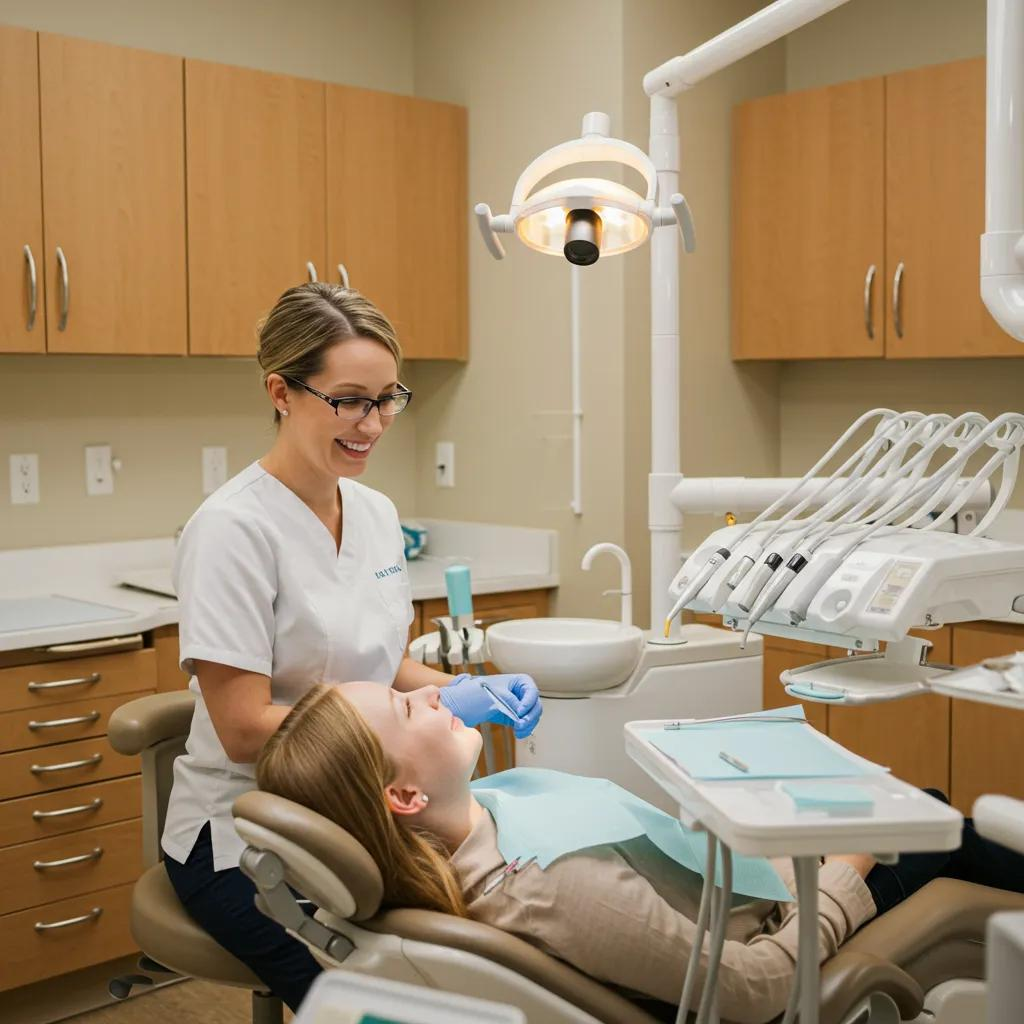
Implant surgery is typically performed with local anesthesia plus optional oral or IV sedation to manage anxiety and ensure comfort during placement. Guided surgical workflows allow smaller incisions and precise implant orientation, which reduce tissue trauma and postoperative discomfort. Monitoring and post-op protocols focus on pain control, infection prevention, and clear recovery instructions. These comfort measures improve patient experience and aid healing.
What Is Osseointegration and How Long Is the Healing Process?
Osseointegration is the biological fusion of bone to the implant surface that creates a stable foundation for the prosthesis. Healing time varies by bone quality and systemic health but commonly spans eight to sixteen weeks before final loading. Factors like smoking, uncontrolled diabetes, and poor bone volume can extend timelines; clinicians plan grafting or staged approaches when necessary. Understanding healing helps set realistic expectations for function and follow-up.
How Is the Final Restoration Completed for a Natural Smile?
Final restorations use digital impressions or scans to fabricate crowns, bridges, or full-arch prostheses that match teeth color, shape, and bite. Abutment selection and aesthetic planning ensure that soft tissue contours and smile lines look natural. The prosthesis is adjusted for comfort and function, and regular maintenance visits are scheduled to monitor implant health. Proper restoration completes the functional and cosmetic objectives of implant therapy.
What Do Patients Say About Their Experience with Bespoke's Dentists in Lutz?
Patient feedback commonly highlights improved chewing, speech, and self-confidence after implant therapy, with particular praise for clear communication and gentle surgical care. Verified reviews on practice profiles and dedicated testimonial pages help prospective patients understand real outcomes and timelines. Summaries of full-mouth restorations often note dramatic functional and quality-of-life improvements and steady adaptation during the healing phase. Reading multiple verified experiences helps set realistic expectations before treatment.
Where Can You Find Verified Patient Testimonials and Success Stories?
Verified testimonials and case studies are available on practice review platforms and on dedicated pages that feature before-and-after summaries and procedural timelines. These sources let prospective patients compare outcomes, recovery experiences, and clinician communication. Reviewing several testimonials provides balanced insight into typical timelines and satisfaction levels. Combining testimonials with clinical details helps patients form informed expectations.
How Have Full Mouth Implant Patients Transformed Their Smiles at Bespoke Dental?
Anonymized case summaries show patients moving from ill-fitting dentures or failing dentition to stable, fixed prostheses with improved chewing and confidence. Treatment plans often combined full-arch protocols with digital planning and sedation to streamline the process and minimize visits. Reported outcomes emphasize daily functional gains, better nutrition, and fewer maintenance hassles compared with removable options. These transformations illustrate the practical benefits of modern full-arch implant care in Lutz.
Frequently Asked Questions
What is the typical recovery time after dental implant surgery?
The recovery time after dental implant surgery can vary based on individual health factors and the complexity of the procedure. Generally, the osseointegration process, where the bone fuses with the implant, takes about 8 to 16 weeks. During this period, patients may experience some swelling and discomfort, which can be managed with prescribed pain relief. Regular follow-up appointments are essential to monitor healing and ensure the implant is integrating properly before the final restoration is placed.
Are dental implants suitable for everyone?
While dental implants are a highly effective solution for many, they may not be suitable for everyone. Ideal candidates typically have sufficient bone density and healthy gums to support the implant. Factors such as uncontrolled diabetes, smoking, or certain medical conditions can affect healing and implant success. A thorough evaluation by a qualified implant dentist is necessary to determine if dental implants are the right choice for an individual’s specific circumstances.
What are the potential risks and complications associated with dental implants?
As with any surgical procedure, dental implants carry some risks and potential complications. These can include infection at the implant site, nerve damage, sinus issues, or implant failure due to poor osseointegration. However, these risks can be minimized with proper planning, advanced technology, and experienced clinicians. Patients should discuss their concerns and medical history with their dentist to understand the specific risks associated with their case.
How do I maintain my dental implants after the procedure?
Maintaining dental implants is similar to caring for natural teeth. Regular brushing, flossing, and routine dental check-ups are essential to ensure the health of the gums and surrounding tissues. Patients should also avoid hard foods that could damage the implant or restoration. Good oral hygiene practices help prevent peri-implantitis, an inflammatory condition that can affect the implant's longevity. Following the dentist's aftercare instructions is crucial for long-term success.
Can dental implants be replaced if they fail?
Yes, dental implants can be replaced if they fail, although the process may involve additional steps. If an implant fails, the dentist will assess the reasons for failure, which could include infection or insufficient bone support. In some cases, bone grafting may be necessary to restore the area before placing a new implant. A thorough evaluation and treatment plan will be developed to ensure the success of the replacement implant.
What should I expect during the initial consultation for dental implants?
During the initial consultation for dental implants, the dentist will conduct a comprehensive evaluation, including a review of your medical history and a clinical examination of your mouth. Imaging, such as CBCT scans, may be performed to assess bone structure and determine the best implant placement. The dentist will discuss your goals, treatment options, and any necessary preparatory procedures, such as bone grafting, to ensure you have a clear understanding of the process ahead.
How do I choose the right implant dentist in Lutz?
Choosing the right implant dentist in Lutz involves considering several factors. Look for a dentist with specialized training in implantology and a proven track record of successful outcomes. Patient reviews and testimonials can provide insight into their experience and care approach. Additionally, consider the technology and techniques they use, as advanced tools can enhance precision and comfort. Scheduling a consultation can also help you gauge their communication style and whether you feel comfortable with them.
Conclusion
Choosing the best implant dentists in Lutz ensures you receive personalized care that enhances your oral health and restores your confidence. With advanced technology and expert techniques, you can expect predictable outcomes and improved quality of life through dental implants. Take the first step towards a brighter smile by scheduling a consultation to discuss your options today. Explore how our dedicated team can help you achieve the results you desire.