
Dental Implants in Lutz: Are They Worth It?

Dental implants are a permanent tooth-replacement option that anchor a prosthetic tooth to the jaw by integrating with bone (osseointegration), restoring chewing function and facial structure. This article explains what implants do, how the procedure works in Lutz, typical local cost ranges, material and treatment options, and how to choose a qualified specialist. Many residents weigh implants against bridges or dentures because upfront cost and surgical steps can feel daunting; clear information about benefits, recovery, and local providers helps people decide. Read on for a practical breakdown of implant advantages, a step-by-step procedure guide, cost comparisons and financing options, implant types available in the Lutz area, and a checklist for selecting the right implant specialist. The guidance emphasizes current research and local considerations so you can evaluate dental implants in Lutz with confidence.
What Are the Key Benefits of Dental Implants in Lutz?
Dental implants replace missing teeth by acting as artificial roots that bond to the jawbone, restoring bite force and preventing bone loss through mechanical stimulation. Implants deliver lasting function, improved speech and eating, and natural aesthetics when paired with color-matched crowns and modern lab workflows. Below is a concise list of primary benefits for Lutz patients.
- Improved chewing function that approaches natural teeth.
- Jawbone preservation through osseointegration, reducing resorption.
- Natural-looking crowns and stable restorations that boost confidence.
These benefits translate into measurable long-term value by lowering future restorative needs and improving quality of life. Understanding specific benefit categories clarifies why implants are often preferred to removable options.
Different benefits map to distinct clinical attributes and patient outcomes in Lutz-area care.
Benefit CategoryMechanismValue for PatientsAestheticsShade and shape-matched crownsNatural appearance and confidenceBone HealthOsseointegration stimulates jawbonePrevents resorption and preserves facial contoursFunctionFixed anchorage transfers chewing forcesRestores efficient chewing and speech
This table highlights how implants combine mechanical and cosmetic mechanisms to deliver lasting oral health improvements.
How Do Dental Implants Improve Oral Health and Bone Preservation?
Implants stimulate bone by transferring functional load to the jaw, which maintains bone volume and architecture through normal physiological stresses. Osseointegration, the biological bonding of titanium or zirconia fixtures to bone, is the core mechanism that prevents the resorption commonly seen after tooth loss. Maintaining bone reduces the need for more complex grafting procedures later and preserves facial support. Timely treatment after tooth loss typically simplifies planning and improves long-term outcomes for Lutz patients.
Contemporary Concepts in Dental Implant Osseointegration: A Review
The purpose of this review is to encompass the mechanisms, factors, and clinical considerations related to osseointegration of dental implants outlined in the contemporary literature. To identify pertinent articles on osseointegration of dental implants, we searched PubMed, Scopus, and Web of Science databases using keywords such as "dental implant," "osseointegration," "implant surface," "bone regeneration," and "implant materials."Contemporary concepts in osseointegration of dental implants: a review, D Rokaya, 2022
Why Do Dental Implants Offer a Natural Look and Feel?
Implants support crowns that are customized for shade, contour, and occlusion, producing an appearance and bite similar to natural teeth. Modern CAD/CAM prosthetics and high-quality ceramic materials help match translucency and shape, so restorations blend with adjacent teeth. The fixed nature of implants eliminates the movement and speech changes associated with removable dentures, which enhances comfort. These restorative features increase patient satisfaction and durability.
Osseointegration in Dental Implants: Mechanisms and Surface Innovations
This review aims to provide an overview of osseointegration mechanisms and an introduction to surface innovations with relevance for osseointegration. Since Albrektsson and his team, the dental implant surfaces have been modified from the early days of smooth titanium to rougher and more complex surfaces to enhance osseointegration.On osseointegration in relation to implant surfaces, 2019
What Long-Term Durability and Functionality Do Implants Provide?
Contemporary implants show high survival rates when maintained with good hygiene and regular dental visits; longevity depends on systemic health and habits like smoking. Routine care—daily hygiene and periodic professional checks—keeps peri-implant tissues healthy and reduces biomechanical complications. Implants provide durable function for chewing and speaking, lowering lifetime cost-per-year compared with repeatedly replacing removable prostheses. Discussing individual risk factors during planning helps set realistic expectations.
Improving Osseointegration of Dental Implants: Surface Characteristics and Mechanisms
This review discusses the different types of dental implant surfaces and the influence of surface characteristics on osseointegration. Some mechanisms involved in the osseointegration vary depending on whether the implant surface is hydrophilic or hydrophobic, and the presence of specific chemical groups or coatings.Improving osseointegration of dental implants, CN Elias, 2010
What Does the Dental Implant Procedure in Lutz Involve?
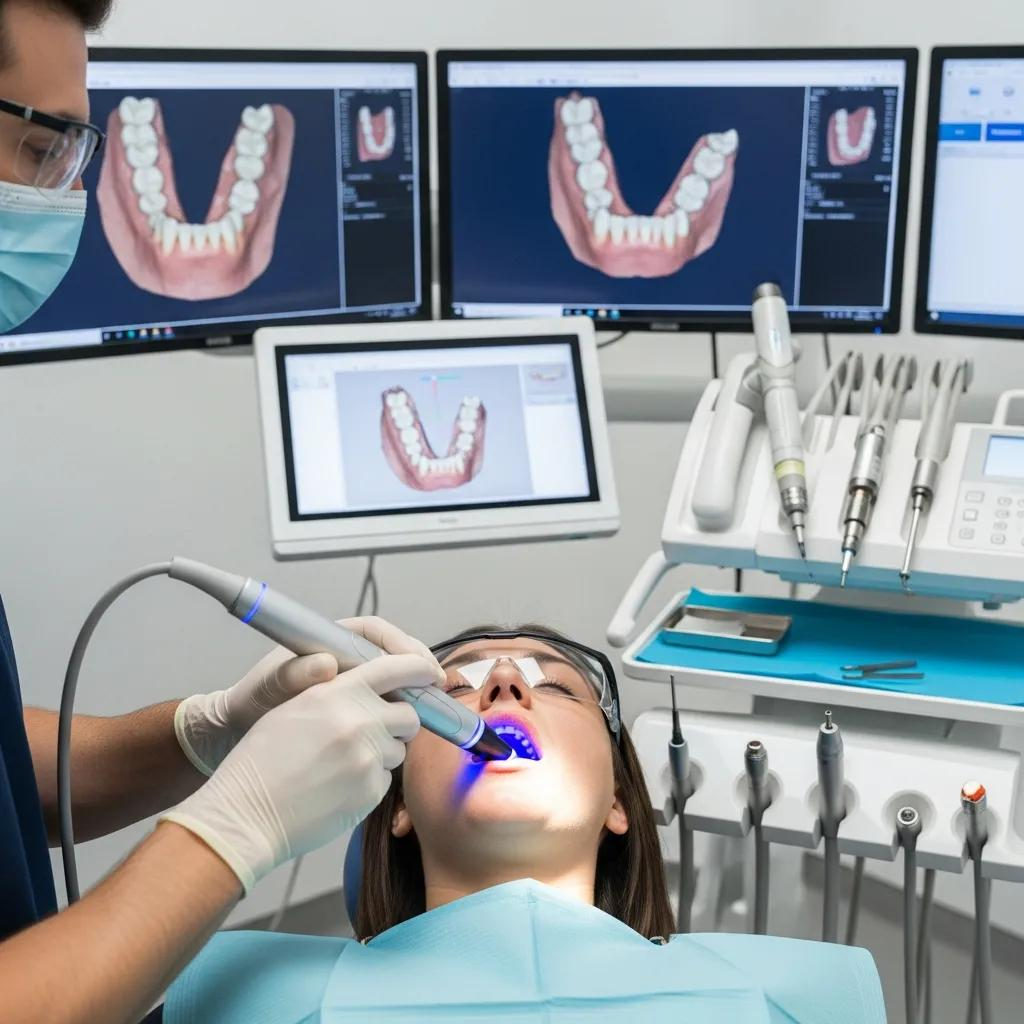
The implant pathway begins with a clinical exam and 3D imaging to map bone and anatomy, followed by surgical placement of an implant fixture and a healing period for osseointegration. After integration, an abutment is attached and a custom crown restores form and function. The entire sequence balances surgical, prosthetic, and recovery phases to achieve stable results.
- Consultation and CBCT imaging: precise assessment and treatment plan.
- Surgical placement of the implant fixture: performed under local or sedation dentistry.
- Healing/osseointegration: commonly several weeks to months for bone bonding.
- Restorative phase: abutment and crown fabrication using CAD/CAM workflows.
These steps focus on predictable biology and prosthetic fit to optimize outcomes and reduce complications. Modern tools shorten chair time and improve precision, which leads into technology benefits discussed next.
What Are the Step-by-Step Stages of Dental Implant Surgery?
The typical stages are consultation, imaging, surgical placement, healing, and final restoration, each with distinct goals and timelines. The consultation identifies health factors and outlines options, while CBCT imaging guides implant positioning relative to nerves and sinuses. Surgery places the fixture into prepared bone; follow-up ensures proper soft-tissue healing. Final impressions and CAD/CAM crowns restore occlusion and esthetics in one to a few restorative visits.
How Does Advanced Technology Improve Implant Outcomes?
3D cone-beam imaging (CBCT) clarifies bone volume, guided surgical templates increase placement accuracy, and CAD/CAM milling yields well-fitting crowns with fast turnaround. These technologies reduce surgical surprises and improve prosthetic fit, which lowers complication risk and expedites treatment. Ask a provider about imaging and guided workflows during planning to confirm precision-focused care. Precision tools directly support predictable osseointegration and long-term stability.
What Is the Typical Recovery Experience After Implant Surgery?
Immediate recovery usually involves mild swelling and discomfort manageable with prescribed or over-the-counter pain control, with most patients returning to light activities within a few days. Soft-food diets and oral hygiene precautions protect the surgical site during initial healing; sutures may be removed at follow-up. Longer-term monitoring confirms osseointegration over weeks to months before final restoration. Contact your provider for any increasing pain, prolonged bleeding, or signs of infection.
How Much Do Dental Implants Cost in Lutz and What Financing Options Are Available?
Costs vary by complexity: a single implant with crown typically sits within a national baseline range but final price reflects grafting needs, sedation, and material choices. For those exploring options for affordable dental implants in Lutz, comparing implants to bridges and dentures shows implants often cost more upfront yet deliver better longevity and lower cumulative costs over time. Below is a clear local-oriented cost comparison and financing note.
- Single-tooth implant: baseline national range; Lutz complexity may raise costs.
- Implant-supported bridge: higher per-visit cost but replaces multiple teeth with fewer fixtures.
- All-on-4/full-arch: greater initial investment with shorter overall timeline compared to multiple single implants.
These comparisons help evaluate short-term outlay versus long-term value and guide financial planning for Lutz patients. For personalized pricing, a consultation is essential because additional procedures like bone grafts or sinus lifts change estimates.
Treatment OptionTypical Price Range (Lutz)NotesSingle implant + crown$3,000–$4,500Add grafts/sedation as neededImplant-supported bridge$5,000–$15,000Replaces multiple adjacent teethAll-on-4/full-arch$20,000–$30,000Full-arch solution, fewer implants
This table clarifies cost categories while emphasizing that individualized quotes are required for accurate estimates.
What Is the Average Price Range for Dental Implants in Lutz?
A single implant with crown typically aligns with national baselines but varies locally based on bone grafts, need for sinus lift, and sedation choices. Complexity increases chair time and material costs, which affects final pricing for Lutz residents. Because each case differs, schedule a consult to receive a tailored estimate and treatment timeline. Personalized planning avoids surprises and establishes realistic expectations for restoration cost and duration.
How Does Dental Implant Cost Compare to Other Tooth Replacement Options?
Implants generally have higher upfront costs than removable dentures or conventional bridges but provide longer functional life and lower maintenance-related costs over time. Dentures may be affordable initially but can require frequent adjustments and eventual replacement that add lifetime expense. Consider cost-per-year and quality-of-life improvements when comparing options. For many patients, the improved chewing efficiency and bone preservation justify the investment.
What Flexible Financing Plans Does Bespoke Dental Offer?
Bespoke Dental offers flexible financing options to help patients in Lutz manage treatment costs and obtain personalized estimates during consultations. For a custom estimate and to discuss payment plans, contact Bespoke Dental to schedule a consultation. This allows tailored planning based on individual clinical needs and financial preferences.
What Types of Dental Implants Are Available in Lutz?
Lutz patients can access several implant categories—single-tooth implants, implant-supported bridges, all-on-4/full-arch systems, and mini dental implants—each suited to specific clinical goals. Material choices include titanium and zirconia, and the selection depends on aesthetics, bone quality, and patient preferences. The following table summarizes types and common use cases.
Implant TypeAttributeBest Use CaseSingle-tooth implantStandard fixture with crownReplace one missing toothMini dental implantNarrow-diameter fixtureStabilize removable denturesAll-on-4Full-arch support with angled posterior implantsFull-arch restoration with fewer fixtures
This comparison helps patients match clinical needs to available implant solutions in the Lutz area.
When Are All-on-4 Dental Implants Recommended?
All-on-4 suits patients needing full-arch restoration who prefer a fixed prosthesis with fewer implants and often a shorter treatment timeline. Candidates typically have significant tooth loss or failing dentition and seek stable, immediate-function solutions. Advantages include fewer surgical sites and faster prosthetic delivery, while trade-offs include hygiene needs and potential repair complexity. During consultation, evaluate bone volume and hygiene commitment to confirm candidacy.
What Are Mini Dental Implants and Their Uses?
Mini implants are narrow fixtures used primarily to stabilize removable prostheses or in sites with limited bone where standard implants aren’t feasible. They are less invasive and often cost less, but they may have limitations in long-term durability compared with standard-diameter implants. Mini implants are a practical option for denture retention and transitional support when selected appropriately. A clinical exam determines if minis meet functional and anatomical needs.
How Do Titanium and Zirconia Implants Differ?
Titanium implants dominate clinical practice due to long-term evidence and mechanical strength, while zirconia implants offer metal-free aesthetics and growing popularity for patients seeking ceramic alternatives. Titanium provides robust osseointegration and wide implant-system options; zirconia can reduce metal visibility in thin tissue biotypes. Discuss material trade-offs with your provider to align strength, aesthetics, and biologic considerations.
How to Choose the Best Dental Implant Specialist in Lutz?
Selecting an implant specialist requires evaluating training, procedural experience, technology access, and patient outcomes to ensure predictable implant care. Look for clinicians who use comprehensive imaging and guided planning, explain risks and alternatives, and provide coordinated surgical and restorative workflows. The checklist below helps prioritize key selection criteria.
- Verify specialist training and focused experience in implant surgery.
- Confirm use of 3D imaging and guided surgical planning.
- Review patient testimonials and before/after examples when available.
These points help you find a provider who aligns expertise with your treatment goals and expectations. Personalized care planning reduces complications and supports long-term implant success.
What Qualifications and Experience Do Bespoke Dental Implant Specialists Have?
Bespoke Dental’s team includes a board-certified oral surgeon and an implant surgery specialist as part of their oral surgery emphasis. Dr. Tarik Elmohd is identified as a board-certified oral surgeon, and Dr. Michael Fabian is noted for specializing in dental implant surgery. Asking about each clinician’s role during a consultation helps match procedural needs to specialist expertise and clarifies who performs surgical versus restorative phases.
What Do Patient Reviews and Success Stories Say About Bespoke Dental?
Patient feedback commonly highlights comfort during treatment, clear communication, and positive functional outcomes after oral surgery and implant care in practices with focused implant teams. Prospective patients should review testimonials and request anonymized case examples to assess outcomes and recovery experiences. Discussing typical cases during a consult provides insight into expected timelines and result consistency.
Why Is Personalized Care Important for Dental Implant Success?
Individualized treatment planning accounts for bone volume, medical history, habits, and aesthetic goals, which reduces surgical risk and customizes prosthetic design for long-term performance. Tailored surgical guides, grafting strategies, and follow-up regimens integrate to support osseointegration and peri-implant health. Confirming a clear maintenance plan and follow-up schedule during your consultation helps protect your investment and maximize implant longevity.
Frequently Asked Questions
What is the success rate of dental implants in Lutz?
The success rate of dental implants is generally high, often reported between 90% to 95% over a 10-year period. Factors influencing success include the patient's overall health, oral hygiene practices, and the quality of the bone where the implant is placed. In Lutz, many dental practices utilize advanced technology and techniques to enhance the success of implants, ensuring that patients receive optimal care tailored to their specific needs.
How long do dental implants last?
With proper care and maintenance, dental implants can last 10 to 15 years or even longer. Factors such as oral hygiene, regular dental check-ups, and lifestyle choices like smoking can significantly impact their longevity. Patients are encouraged to maintain good oral hygiene practices and attend regular dental visits to ensure the health of both the implants and surrounding tissues, which contributes to their durability over time.
Are there any risks associated with dental implant surgery?
Like any surgical procedure, dental implant surgery carries some risks, including infection, nerve damage, and implant failure. However, these risks are relatively low when the procedure is performed by a qualified specialist. Pre-operative assessments and personalized treatment plans can help mitigate these risks. Patients should discuss their medical history and any concerns with their dental provider to ensure a safe and effective treatment experience.
What should I expect during the healing process after implant surgery?
After dental implant surgery, patients can expect a healing period that typically lasts several weeks to months. Initial recovery may involve mild swelling and discomfort, which can be managed with pain relief medications. Patients are advised to follow a soft-food diet and maintain oral hygiene while avoiding the surgical site. Regular follow-up appointments will help monitor healing and ensure successful osseointegration of the implant with the jawbone.
Can anyone get dental implants, or are there specific requirements?
While many people are candidates for dental implants, certain requirements must be met. Candidates should have sufficient bone density to support the implant and be in good overall health. Conditions such as uncontrolled diabetes or active periodontal disease may affect candidacy. A thorough evaluation by a dental professional will determine if implants are a suitable option based on individual health and anatomical factors.
How do I care for my dental implants after placement?
Caring for dental implants is similar to caring for natural teeth. Patients should maintain a rigorous oral hygiene routine, including brushing twice daily and flossing regularly. Regular dental check-ups are essential to monitor the health of the implants and surrounding tissues. Avoiding tobacco products and maintaining a balanced diet can also contribute to the longevity and success of dental implants.
What are the differences between traditional dentures and dental implants?
Traditional dentures are removable prosthetics that can shift during eating and speaking, while dental implants are fixed solutions that integrate with the jawbone, providing stability and a more natural feel. Implants also help preserve jawbone health, preventing the bone loss often associated with missing teeth. Although implants typically have a higher upfront cost, they offer long-term benefits and durability compared to dentures, making them a worthwhile investment for many patients.
Conclusion
Dental implants in Lutz offer a transformative solution for tooth replacement, combining aesthetic appeal with functional benefits that enhance quality of life. By preserving jawbone health and providing a natural look and feel, implants stand out as a long-term investment compared to traditional dentures and bridges. For those considering this option, personalized consultations can clarify costs and treatment plans tailored to individual needs. Take the next step towards a confident smile by scheduling a consultation with a qualified implant specialist today.