

Dental Implant Surgery Process Explained
Dental implant surgery replaces missing teeth by placing a titanium post into the jawbone, then restoring form and function with an abutment and crown. This guide explains the full dental implant surgery process, from consultation and imaging to bone grafting, implant placement, osseointegration, and final restoration, so you know what to expect at each stage. Many patients worry about timeline, pain, and long-term success; this article answers those concerns with clear steps, realistic healing windows, and practical aftercare. You’ll find numbered stages, recovery timelines, immediate post-op instructions, EAV tables for quick scanning, and lists that summarize risks, benefits, and common patient questions. Read on for a structured pathway to predictable implant outcomes and when to seek local care if you live near Lutz, Land O’ Lakes, or Wesley Chapel.
What Are the Key Stages of the Dental Implant Surgery Process?
The dental implant surgery process follows defined stages that combine diagnostics, surgical placement, biological healing, and prosthetic restoration to restore chewing function and appearance. Each stage uses specific tools—X-rays or CBCT imaging, surgical guides, and titanium implant components—to optimize positioning and long-term stability. Understanding these stages clarifies why implants typically take months from first visit to final crown and which steps may add time. Below is a concise numbered list that outlines the typical pathway and a table for quick comparison.
- Consultation and diagnostic imaging to confirm candidacy and plan placement.
- Tooth extraction or socket preservation when needed to prepare the site.
- Bone grafting or sinus lift if jawbone volume is insufficient for implants.
- Implant placement surgery, including insertion of the titanium post.
- Osseointegration, when bone bonds to the implant for stability.
- Abutment connection and impression or digital scan for prosthetic design.
- Final crown or prosthesis placement restoring full function.
This stepwise progression explains why prosthetic restoration waits until biological integration is sufficient and predictable.
Bespoke Dental integration: Bespoke Dental in Lutz performs comprehensive implant planning and placement using modern imaging and personalized care, and can schedule implant consultations for local residents. Their practice emphasizes tailored treatment plans and supportive patient communication for every stage.
How Does the Initial Dental Implant Consultation Prepare You for Surgery?
The initial consultation defines candidacy by reviewing oral health, systemic health, and jawbone density using X-rays or CBCT scans that show bone volume and location of adjacent anatomy. The clinician explains options like single-tooth implants, multiple implants, All-on-4, or mini implants and outlines whether grafting or extractions are needed. Patients should bring medical history and a list of medications and ask about anesthesia choices and timelines. This visit creates the surgical plan and consent pathway that informs safe implant placement and predictable outcomes.
When Is Bone Grafting Needed Before Implant Placement?
Bone grafting is recommended when imaging shows inadequate bone height or width to fully support a titanium implant, or when the sinus is encroaching on the posterior maxilla. Grafts can be autograft, allograft, or synthetic bone substitute and sometimes include a sinus lift to elevate the sinus membrane. Healing from grafting typically requires several months before stable implant placement, and the added step increases the overall timeline but greatly improves long-term success. Understanding graft indications helps patients set realistic expectations and avoid premature implant loading.
Bone Grafting for Dental Implants: Techniques and Materials
Bone quality, volume, height and width all play a pivotal role in dental implant stability, success and survival. A lack of adequate bone can be overcome with various bone grafting procedures. Dependent on many factors, including the amount of bone required, the site of implant placement, patient preferences and clinician factors; the type of bone grafting material and procedure undertaken can vary. Supplemental bone can be sourced from a variety of sources, including autogenous, allogenous and xenograft bone. Dependent on the source of the bone, it will have different properties in aiding bone formation, as well as being presented in different formulations, such as bone particles or bone blocks.
The aim of this paper is to provide an overview of bone grafting indications, materials and types of bone grafting techniques that can be utilised to aid dental implant provision. It also discusses the properties needed to ensure optimal success of guided bone regeneration techniques.
Bone grafting techniques and materials for implant dentistry, S Khalid, 2023
The success of dental implants is heavily influenced by the quality and quantity of the jawbone, and bone grafting is a crucial procedure when insufficient bone volume is present.
What Happens During the Dental Implant Placement Surgery?
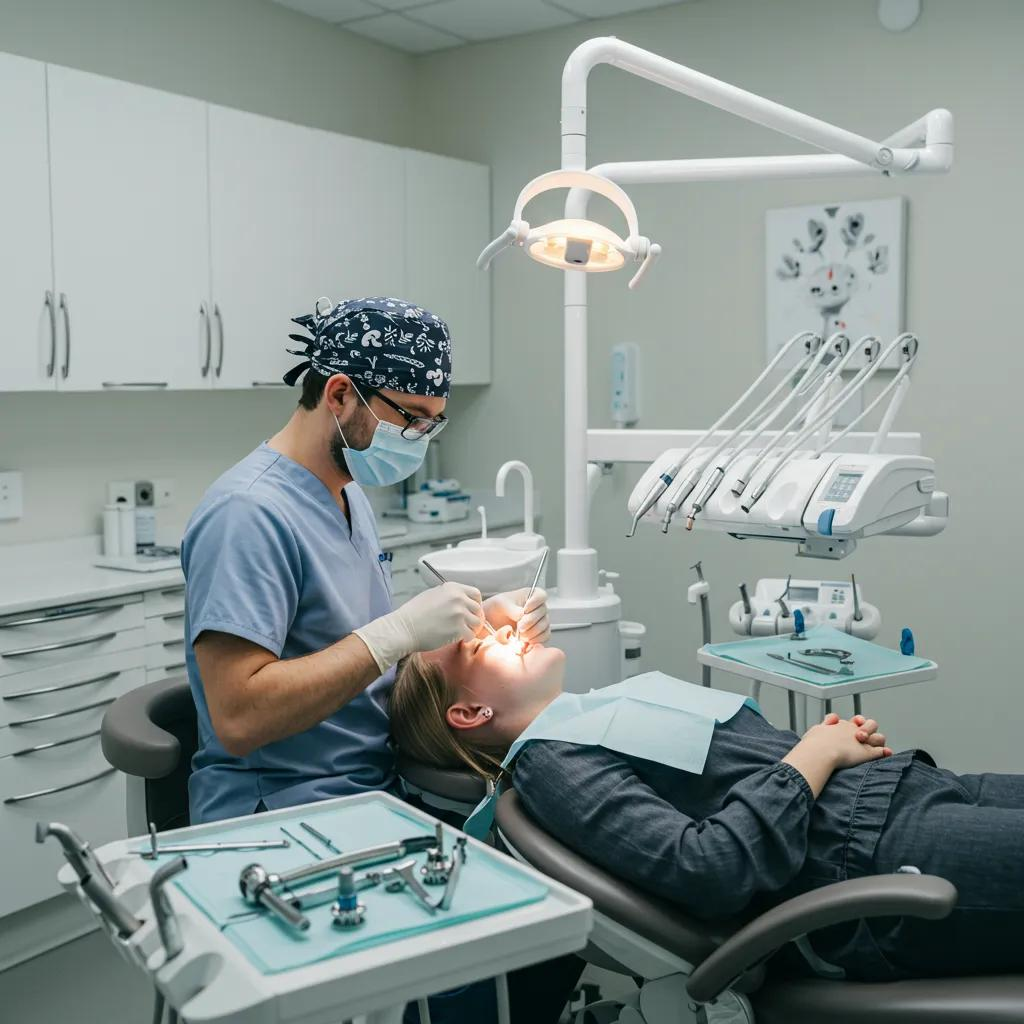
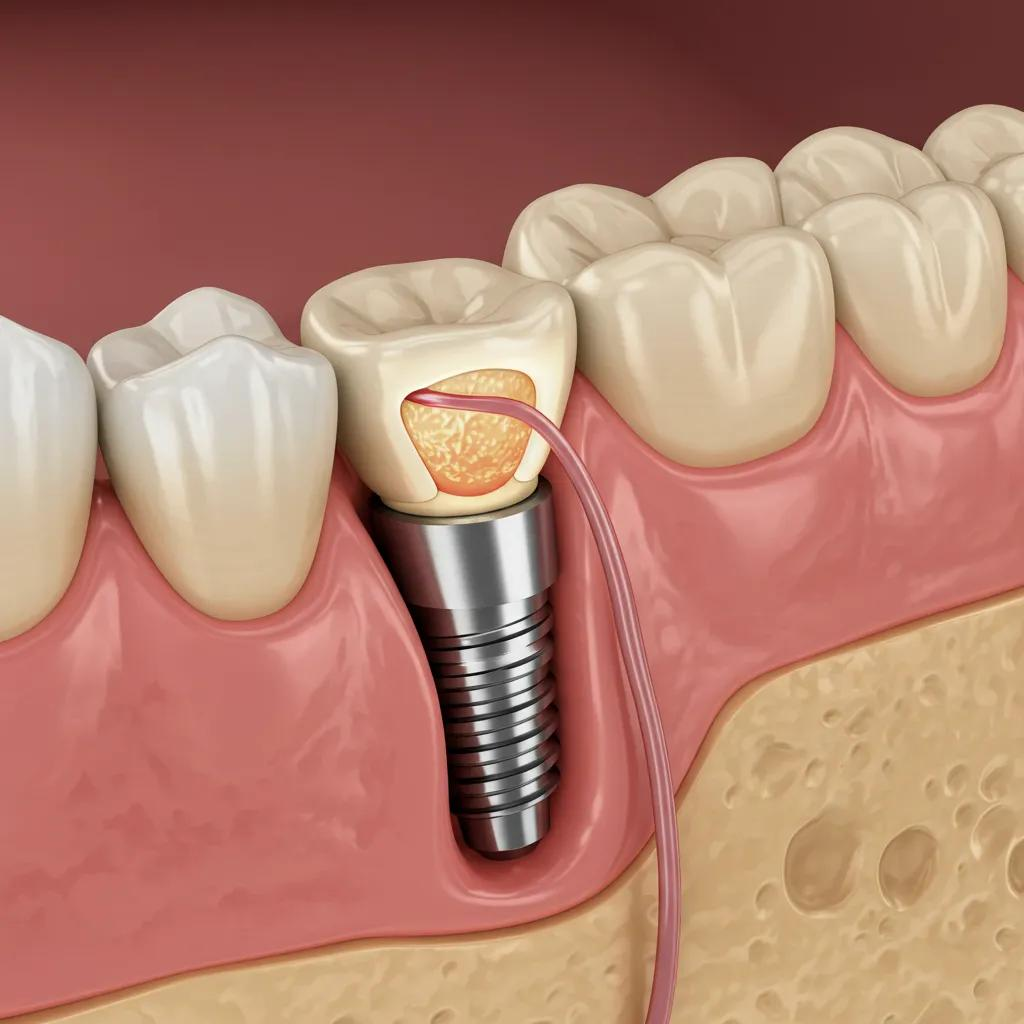
Implant placement involves local anesthesia or sedation, a small incision in the gum, sequential drilling to prepare the osteotomy, insertion of the titanium post, and closure with sutures or healing caps. Surgical guides and 3D imaging improve accuracy of depth and angulation, protecting nerves and adjacent teeth. The appointment duration varies but is typically one to two hours for single implants, with clear post-op instructions provided before discharge. Immediate post-op care focuses on controlling bleeding, swelling, and protecting the surgical site to support early soft-tissue healing. For a comprehensive guide on what to expect during your dental implant procedure, particularly for patients in Lutz, see our dedicated resource.
How Does Osseointegration Support Implant Healing?
Osseointegration is the biological process where bone remodels and fuses to the implant surface, converting a mechanical anchor into a stable long-term support for a crown or denture. Factors that support osseointegration include good bone quality, atraumatic surgical technique, and avoidance of smoking or uncontrolled systemic conditions. Clinicians assess integration using clinical mobility tests and imaging before moving to the prosthetic phase. Proper monitoring reduces failure risk and determines optimal timing for abutment placement.
Contemporary Concepts in Dental Implant Osseointegration: A Review
To identify pertinent articles on osseointegration of dental implants, we searched PubMed/MEDLINE, Scopus, Web of Science, and Google Scholar databases. The search terms used were “dental implant osseointegration,” “implant osseointegration,” “osseointegration,” “dental implant,” and “implant.” We reviewed the titles and abstracts of the retrieved articles to identify those relevant to the contemporary concepts in osseointegration of dental implants. The full text of the selected articles was then reviewed to extract the relevant information. We also performed a manual search of the reference lists of the selected articles to identify any additional relevant studies. Timeline after implant placement
Contemporary concepts in osseointegration of dental implants: a review, D Rokaya, 2022
The critical biological process of osseointegration, where bone fuses with the implant, is fundamental to achieving long-term stability and success.
What Are the Steps for Abutment and Crown Placement?
Once stability is confirmed, the abutment is attached to the implant to form the support for the prosthetic crown, and a digital scan or conventional impression records the shape for fabrication. Temporary crowns may be used while the lab fabricates a final restoration that matches bite and aesthetics. Final crown placement includes fit verification, occlusal adjustments, and patient instructions for care. After restoration, normal chewing function and esthetics are typically restored, contingent on proper maintenance and periodic professional checks.
How Long Is the Dental Implant Healing and Recovery Timeline?
Soft tissue healing and bone integration follow distinct timelines that together define when full function and final restoration are possible. Soft tissue closure and reduction of swelling usually occur within one to two weeks, while osseointegration—the bone healing phase—commonly requires three to six months depending on grafting and patient factors. Recognizing these separate phases helps patients plan work, diet, and follow-up visits. The table below breaks down healing phases and what patients should expect at each milestone.
What Is the Typical Soft Tissue Healing Period After Surgery?
Soft tissue typically heals over the first one to two weeks with diminished swelling, closed incisions, and manageable discomfort controlled by analgesics. Patients should follow a soft diet, avoid vigorous rinsing on day one, and use gentle saline rinses thereafter to keep the area clean. Normal color and decreased tenderness are positive signs, while persistent bleeding or spreading redness warrant contact with the clinic. Early tissue healing sets the stage for successful osseointegration and later prosthetic steps. For comprehensive dental implant recovery tips, refer to our dedicated guide.
How Long Does Osseointegration Take for Full Implant Stability?
Osseointegration commonly completes between three and six months in routine cases, but clinicians may shorten or lengthen that window depending on bone quality, implant surface, and whether grafting was performed. Providers test stability using clinical torque or radiographic checks before proceeding. Immediate placement protocols exist but are selected only when primary stability and bone conditions allow. Understanding the typical range helps manage expectations for return to full chewing loads.
Modern Implant Dentistry: 50 Years of Osseointegration Progress
This review celebrates 50 years of osseointegration. It reviews the progress of implant therapy over the past five decades, highlighting key milestones and advancements. The review also discusses current trends in implant dentistry, including the use of digital technologies, immediate loading protocols, and minimally invasive surgical techniques. Furthermore, it addresses open questions and future directions in the field, such as the long-term survival rates of implants, the management of peri-implant diseases, and the development of new implant materials and designs. In the second half of the 1980s, there was a marked shift in the dental implant market to the use of implants with rough surfaces, which were believed to promote faster and more predictable osseointegration.
Modern implant dentistry based on osseointegration: 50 years of progress, current trends and open questions, D Buser, 2000
The field of implant dentistry has seen significant advancements over the past 50 years, particularly in understanding and optimizing osseointegration, with rougher implant surfaces emerging as a key development.
When Can You Expect Final Crown Placement and Full Function?
Final crown placement generally follows confirmation of osseointegration and accurate impressions or scans and is usually completed several weeks after abutment attachment. Once the crown is seated and occlusion optimized, patients regain full masticatory function and esthetics, although gradual adaptation to the new restoration is common. Factors such as multiple implants, complex prosthetics, or grafting extend the total timeline. Continued oral hygiene and follow-up visits ensure the restoration remains functional over the long term.
What Are Common Signs of a Successful Recovery?
Positive recovery signs include decreasing pain and swelling, stable implant with no mobility, healthy pink gingiva around the implant, and progressive comfort with chewing. Routine follow-ups and radiographs that show bone maintenance around the implant indicate integration. Warning signs requiring prompt evaluation include persistent pain, implant mobility, increasing swelling, or drainage, as these may indicate infection or early failure. Early detection and treatment of complications preserve long-term outcomes.
What Should You Expect During and After Dental Implant Surgery?
The surgical visit follows a predictable flow: pre-op review and consent, anesthesia or sedation, the implant procedure, and short recovery monitoring before discharge. Comfort is managed with local anesthesia and optional sedation, and post-op prescriptions or recommendations address pain and infection prevention. Anticipate clear written instructions on diet, medications, and activity restrictions, and a follow-up schedule for suture removal and healing checks. Below are specific answers and practical aftercare steps to help you prepare.
Is Dental Implant Surgery Painful and How Is Comfort Managed?
Most patients report minimal pain during implant placement due to local anesthesia and optional sedation; post-op discomfort is typically mild to moderate and controlled with oral analgesics. Clinicians use long-acting anesthetic blocks and, when appropriate, conscious sedation to reduce anxiety and intraoperative discomfort. Ice, rest, and prescribed medications manage swelling and pain in the first 48–72 hours. Clear pain control reduces stress and supports restful healing.
What Are the Typical Steps During the Surgical Appointment?
On arrival you’ll confirm medical history, receive anesthesia, and undergo the implant placement guided by prior imaging and surgical guides. The procedure includes incision, osteotomy preparation, implant insertion, and soft-tissue closure; single implants often finish in one to two hours. You’ll recover briefly in the clinic with post-op instructions and then be discharged with a care plan. Planning for transportation home after sedation is advisable.
How Should You Care for Your Implant Site Immediately After Surgery?
Immediate care focuses on keeping the site clean and protected: apply ice intermittently, follow a soft-food diet, avoid smoking, and perform gentle saline rinses starting 24 hours after surgery. Do not disturb the clot or sutures with the tongue or toothbrush for the first few days, and take medications as directed to prevent infection and control pain. Call your provider for uncontrolled bleeding, severe pain, or fever. Proper early care supports soft-tissue healing and osseointegration.
When Are Follow-Up Visits Scheduled and What Do They Involve?
Follow-up visits typically occur within 1–2 weeks for suture removal and soft-tissue assessment, then periodically during osseointegration for clinical checks and imaging. Additional appointments include abutment connection and final prosthetic fitting once stability is confirmed. Each visit evaluates healing, checks occlusion, and ensures the restoration plan remains appropriate. Clear scheduling keeps the pathway to final restoration predictable.
Bespoke Dental next steps: If you live near Lutz, FL, and want to discuss implant candidacy, Bespoke Dental offers implant consultations by appointment at 18713 N Dale Mabry Hwy, Lutz, FL 33548; call (813) 807-4902 to arrange an evaluation and learn about financing options like Sunbit, Cherry, Alpheon Credit, CareCredit, or LendingClub. Their team emphasizes empathetic, personalized planning throughout the implant process.
What Are the Benefits, Risks, and Success Rates of Dental Implants?
Dental implants deliver durable chewing function, natural esthetics, and preservation of jawbone by transmitting functional forces into bone and preventing resorption. Risks include infection, peri-implantitis, nerve injury, and implant failure, but careful planning, aseptic technique, and patient aftercare reduce these events. Long-term success rates are high when implants are placed and maintained properly, and diligent oral hygiene plus professional maintenance are key determinants of longevity. The table below contrasts benefits, risks, and common mitigation steps. To gain a deeper understanding of dental implant surgery risks, especially for those in the Lutz area, explore our detailed article.
How Do Dental Implants Improve Oral Function and Appearance?
Implants replace the entire tooth root and anchor a crown that restores bite force and tooth proportions, improving chewing, speech, and facial support. The mechanical stability prevents neighboring teeth from drifting and maintains occlusion. Esthetic crowns recreate natural contours and shade, enhancing confidence and oral function. These functional and cosmetic gains explain why implants are a preferred long-term restorative option.
What Are the Common Risks and How Are They Minimized?
Common risks include infection, inflammation around the implant (peri-implantitis), and mechanical complications; they are minimized with sterile technique, accurate planning using CBCT and surgical guides, and patient adherence to oral hygiene. Smoking cessation and management of systemic conditions further reduce risk. Early recognition and treatment of inflammation preserve implant health.
What Is the Long-Term Success Rate of Dental Implant Surgery?
Contemporary data show high survival rates for properly placed implants, generally exceeding 90–95% over many years when patients maintain hygiene and receive routine professional care. Success depends on bone quality, absence of uncontrolled systemic disease, and adherence to recall intervals. Emphasizing maintenance protocols preserves outcomes and reduces late complications.
How Does Proper Aftercare Influence Implant Longevity?
Daily brushing, interdental cleaning around the implant, and regular professional cleanings prevent bacterial buildup that causes peri-implantitis and jeopardizes longevity. Lifestyle factors—smoking cessation, good glycemic control, and dietary moderation—support tissue health. Structured recall visits allow early intervention for wear, inflammation, or restorative adjustments, maximizing implant lifespan.
- Key patient actions for longevity: Maintain daily brushing and interdental cleaning around implants.Attend routine professional maintenance visits as scheduled. Avoid tobacco and follow medical guidance for systemic health.
These steps translate the long-term value of implants into practical daily habits that preserve function and appearance.
Frequently Asked Questions
What Are the Costs Associated with Dental Implant Surgery?
The costs of dental implant surgery can vary widely based on factors such as the complexity of the case, the need for additional procedures like bone grafting, and the materials used for the implant and crown. For those seeking affordable dental implants in Lutz, it's important to understand the various factors influencing pricing. On average, patients can expect to pay between $3,000 to $4,500 per implant, which may not include additional costs for consultations, imaging, or follow-up care. Many dental practices offer financing options to help manage these expenses, so it's advisable to discuss costs upfront during your consultation.
How Can You Prepare for Dental Implant Surgery?
Preparing for dental implant surgery involves several steps to ensure a smooth process. Patients should schedule a comprehensive consultation to discuss their medical history, current medications, and any health conditions. It's also important to follow pre-operative instructions, which may include avoiding certain medications, fasting before surgery, and arranging for transportation home post-surgery. Maintaining good oral hygiene leading up to the procedure can also help minimize the risk of infection.
What Should You Expect During the Recovery Period?
During the recovery period after dental implant surgery, patients can expect some swelling, discomfort, and minor bleeding, which are normal. Pain can usually be managed with prescribed medications or over-the-counter pain relievers. It's essential to follow post-operative care instructions, including dietary restrictions and oral hygiene practices. Regular follow-up appointments will be scheduled to monitor healing and ensure that osseointegration is progressing as expected. Most patients can return to normal activities within a few days, but full recovery may take several months.
Are There Alternatives to Dental Implants?
Yes, there are several alternatives to dental implants for replacing missing teeth. These include dental bridges, which use adjacent teeth for support, and dentures, which can be either partial or full. Each option has its own benefits and drawbacks, such as cost, longevity, and maintenance requirements. It's important to discuss these alternatives with your dentist to determine the best solution based on your specific dental needs and lifestyle.
What Lifestyle Changes Can Support Implant Success?
To support the success of dental implants, patients should consider making certain lifestyle changes. Quitting smoking is crucial, as tobacco use can impair healing and increase the risk of implant failure. Maintaining a balanced diet rich in vitamins and minerals can promote healing and bone health. Additionally, practicing good oral hygiene, including regular brushing and flossing, along with routine dental check-ups, will help ensure the longevity of the implants and overall oral health.
How Do You Maintain Your Dental Implants Long-Term?
Long-term maintenance of dental implants involves regular dental visits for professional cleanings and check-ups, as well as diligent home care. Patients should brush and floss around the implant daily to prevent plaque buildup and peri-implantitis. It's also important to monitor for any signs of discomfort or changes in the implant area and report these to your dentist promptly. Following these practices will help ensure the longevity and functionality of your dental implants.
Conclusion
Understanding the dental implant surgery process empowers patients to make informed decisions about their oral health. With benefits such as improved chewing function, natural aesthetics, and long-term stability, dental implants represent a valuable investment in your smile. By following the outlined steps and maintaining proper aftercare, you can ensure the success of your implants for years to come. If you're ready to explore your options, contact Bespoke Dental today to schedule your consultation.